
Madagascar rewards travelers who plan ahead. This island off East Africa lies 400 km from Mozambique. Reaching it takes one connecting flight, plus real time on the ground. A first trip works best over 10 to 14 days, in the dry season. Favor a focused route over a rushed loop.
The country is vast and its roads are slow. Distances that look short on a map often mean a full day behind the wheel. Good planning turns that constraint into the trip’s greatest reward: fewer places, seen deeply.
IN BRIEF
- When: dry season, roughly May to October; humpback whales off Île Sainte-Marie from July to September.
- Getting there: fly into Antananarivo (airport code TNR); no direct flights from North America.
- How long: 10 to 14 days minimum for a first visit.
- Budget: expect roughly US$100–170 per day on the ground, plus flights.
- Where to slow down: the east coast and Île Sainte-Marie.
What makes Madagascar unique?

Wildlife and landscapes found nowhere else on earth. Around 90% of its wildlife is endemic, which means it lives only here. Lemurs, chameleons and baobabs lead a cast that evolved in isolation for 88 million years.
The appeal runs past the animals. You reach empty white-sand beaches, coral lagoons, highland rainforest and limestone canyons. A genuinely warm Malagasy culture ties it together.
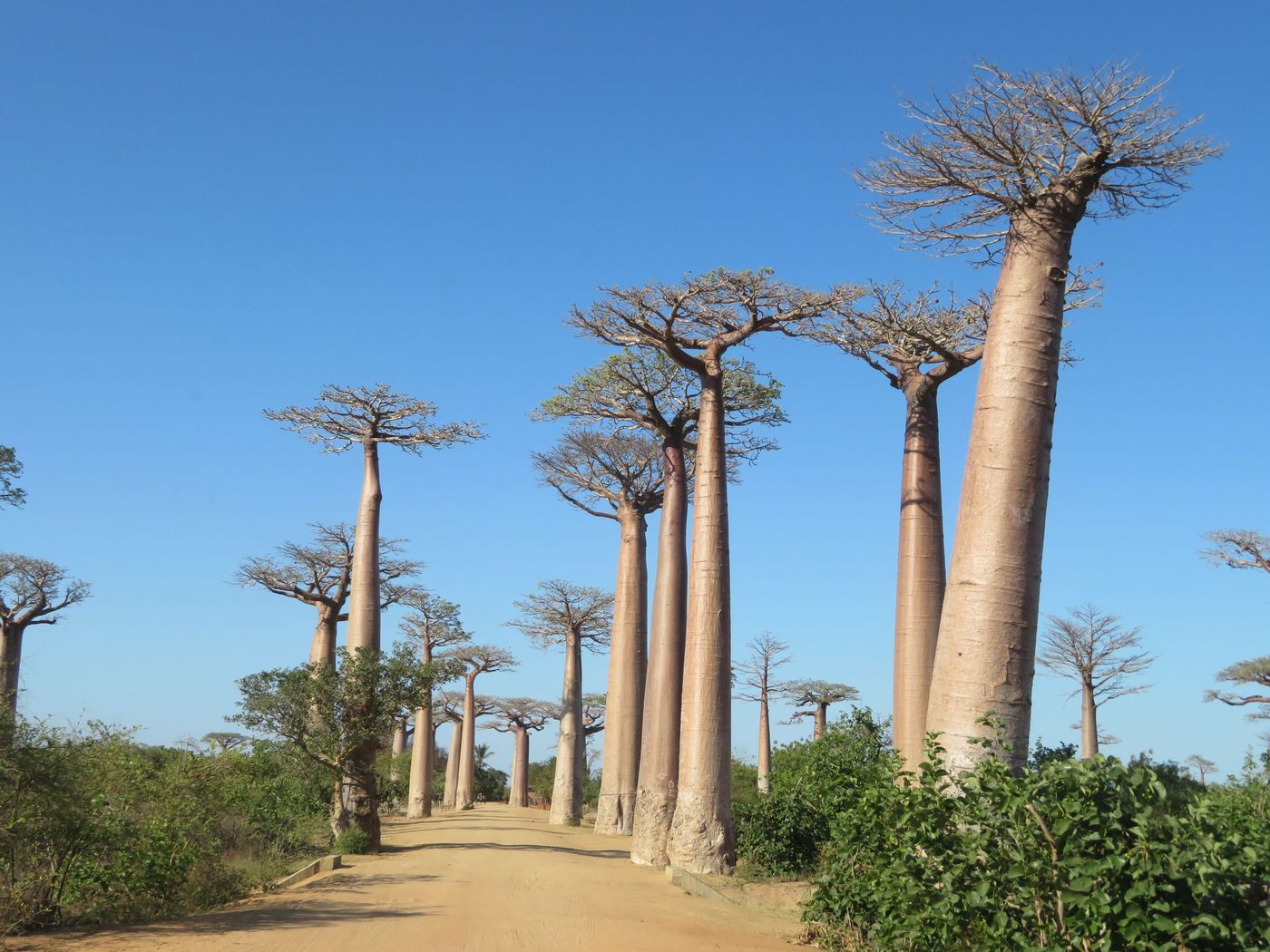
A few signature sights anchor most first trips. The indri, the largest lemur, calls through the rainforest at Andasibe. The Avenue of the Baobabs glows at sunset near Morondava. Divers head for the reefs off Nosy Be and Île Sainte-Marie. Madagascar suits curious, patient travelers more than anyone chasing a polished resort strip. Weighing it up? See why Madagascar is worth the trip.
Is Madagascar safe for tourists?
Madagascar stays safe for tourists who take normal city precautions. Petty theft happens in Antananarivo and crowded markets. Keep bags close and skip solo walks after dark. Violent crime against visitors stays rare. Our full guide to safety in Madagascar also covers roads and health.
Beyond the capital, rural regions and the coastal islands feel calm and welcoming. Keep valuables discreet, use registered guides and taxis, and heed local advice. Travel insurance is non-negotiable given how remote medical care can be.
EXPERT TIP
On Île Sainte-Marie and the smaller islands, life runs slow and easy. Most travel incidents happen in transit hubs, not at the destination. Book your transfers ahead, and aim to arrive in daylight.
Best time to visit Madagascar
Aim for the dry season, roughly May to October. Skies stay clear, roads stay passable and wildlife is active across the parks. The rainy months, November to March, bring cyclones to the east coast. Dirt tracks turn to mud.
One window outranks the rest. Humpback whales gather off Île Sainte-Marie from July to September. They arrive to breed and calve, and you watch them breach from small boats. It ranks among the Indian Ocean’s great wildlife spectacles.
How to get to Madagascar
Every route begins at Antananarivo’s Ivato airport, code TNR. No direct flights link North America. You connect through Europe, the Gulf or mainland Africa. Air France, Ethiopian Airlines, Kenya Airways and Turkish Airlines are the usual carriers.
From Europe, Paris offers the most direct hop. From the United States, plan on one or two connections and more than 20 hours door to door. Treat the capital as your entry point. Arrange your domestic legs from there.
GOOD TO KNOW
Malagasy time is GMT+3, with no daylight saving. Give yourself a buffer day in Antananarivo after landing. Domestic flights and long drives go far better once the jet lag fades.
Getting around Madagascar
Domestic flights save days; roads cost them. Tsaradia, the Madagascar Airlines network, links the capital to the main hubs, Île Sainte-Marie included. A one-hour flight can replace a two-day drive across the interior.
On the ground, the national roads are scenic but slow. A private driver with a 4×4 is the comfortable option. The shared taxi-brousse minibus is the budget one. For the islands, a short flight or a pre-arranged boat transfer beats improvising at the port.
Where to go in Madagascar
Choose one or two regions, never all four. The west holds the baobabs of Morondava and the razor-sharp Tsingy de Bemaraha limestone forests. The south follows the RN7 highway to Isalo National Park, plus the rainforest and lemurs of Ranomafana. The north centers on Nosy Be, the beach-resort island, and its diving. Our list of things to do in Madagascar helps you choose between them.
The east coast is the quiet choice, and our own home base. It pairs Andasibe’s rainforest lemurs with Île Sainte-Marie’s beaches, pirate lore and winter whales. This side rewards slow travel over checklist tourism.
How many days do you need in Madagascar?
Plan 10 to 14 days at a minimum, and more if you cross between regions. A single week only works when you stay in one area. The island’s scale and slow transport make shorter trips feel rushed.
Plan about ten unhurried days for a relaxed east-coast route. Think Antananarivo, the lemurs of Andasibe, then several nights on Île Sainte-Marie. Add nights rather than new destinations — depth beats distance in Madagascar.
How much does a Madagascar trip cost?
Budget roughly US$100 to US$170 per day on the ground, outside your international flight. That mid-range figure covers a guesthouse or small hotel, meals, a local guide and shared transport. Luxury villas and private drivers sit above it.
Two lines drive the total. Domestic flights add up quickly, often US$100 to US$250 per leg. Park entry with a compulsory guide runs around US$25 to US$50 per person. Cash for markets, tips and fuel fills the gaps.
Practical tips: visa, money, health and packing
A few essentials smooth out every Madagascar trip.
Visa
Most visitors receive a visa on arrival, or an e-visa, at Ivato. Short tourist stays cost roughly US$35 to US$50, depending on length. Bring a passport valid at least six months past your entry date.
Money
The currency is the Malagasy ariary (MGA), and cash still rules. ATMs cluster in the cities, so withdraw before heading for remote coasts. Keep small notes handy for markets, tips and villages.
Health
Ask your doctor about malaria prophylaxis and routine vaccines ahead of time. Proof of yellow fever vaccination is required only if you arrive from an endemic country. Pack a small first-aid kit for remote stretches.
What to pack
Pack light layers, rain protection, reef-safe sunscreen and a strong insect repellent. A dry bag shields electronics during boat transfers to Île Sainte-Marie and Île aux Nattes.
Local customs: fady and everyday etiquette
Respect for local taboos, called fady, matters more here than in most destinations. Fady vary by village and region, and can cover certain foods, days, words or places. When in doubt, ask your guide before you act. Fady sit within a wider belief system, explained in our guide to Malagasy culture.
A few habits carry you far. Greet people before asking anything, request permission before photographing someone, and treat tombs and ancestral sites with care. Dress modestly in villages, and remove shoes where you are asked to.
IMPORTANT
Buy comprehensive travel insurance that covers medical evacuation. Serious treatment often means a flight back to Antananarivo or abroad. Cover is one line you never cut on a Madagascar trip.
Where to stay on Île Sainte-Marie
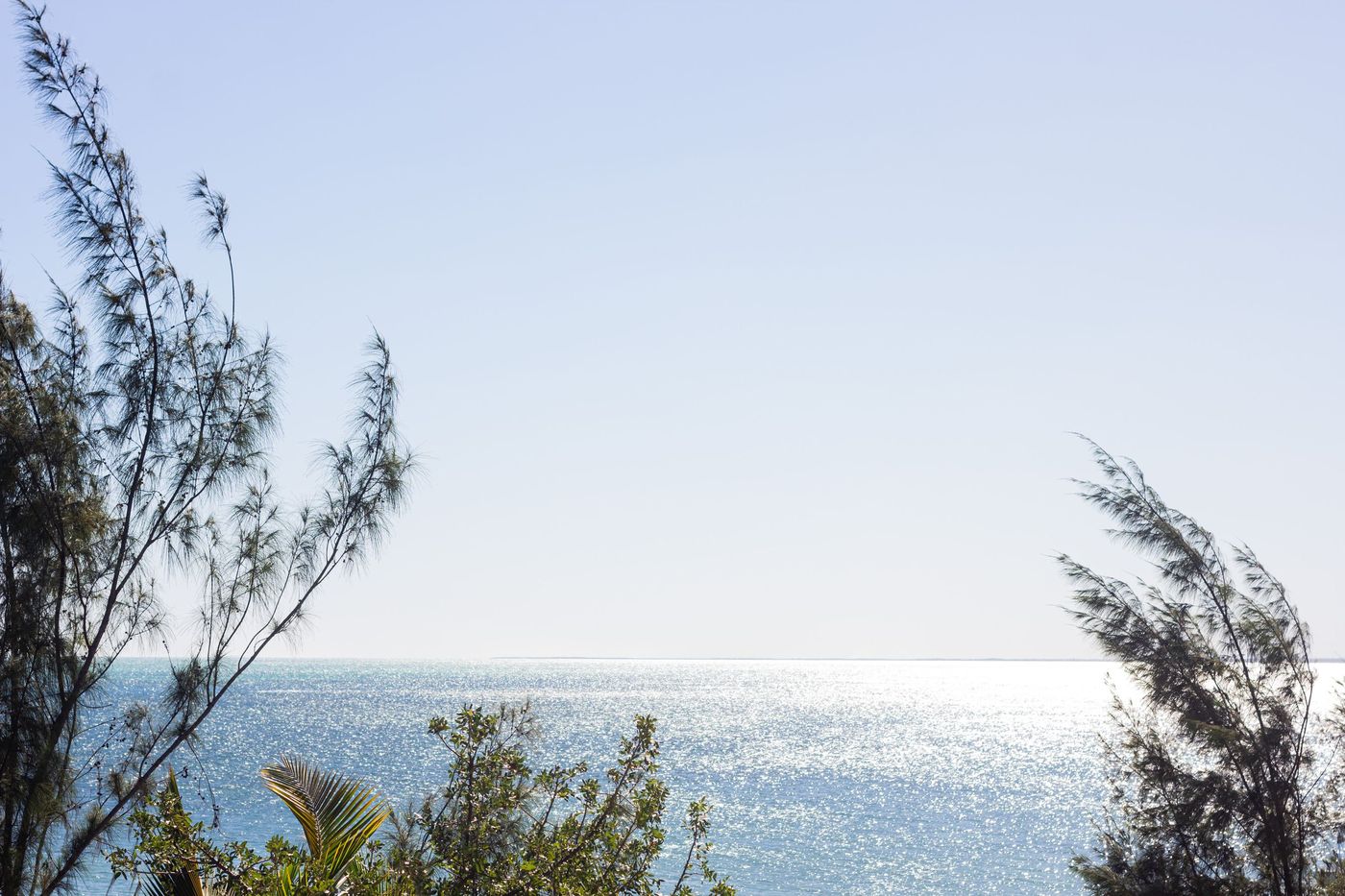
For calm over crowds, Île Sainte-Marie is the answer. The island — Nosy Boraha — stretches long and narrow off the east coast. Beaches, pirate history and the July-to-September whales fringe it.
For a private base, the villas of Kokoa Serena sit right on the island. Each has a private pool and direct reach into slow island life. They match this guide’s whole philosophy: fewer places, longer stays, deeper memories.
Madagascar travel FAQ
Is Madagascar good for tourists?
Yes, for the right traveler. It offers unmatched wildlife and quiet beaches, though not slick infrastructure. Expect basic roads, simple lodges outside the luxury spots, and rich rewards for patience.
Do you need a guide in Madagascar?
In the national parks, a local guide is compulsory and genuinely useful. Elsewhere, a driver-guide smooths language and logistics. Independent travel is possible, just slower and harder.
Can you drink the tap water in Madagascar?
No — stick to bottled or filtered water, even for brushing teeth. Reputable lodges provide safe water on site. This one habit prevents most travelers’ stomach trouble.
Is Madagascar expensive?
It sits mid-range. Daily ground costs stay moderate, but domestic flights and private guides push the total up. Budget travel works; remote luxury, like a private villa, sits at the top end.
KEY TAKEAWAYS
- Travel in the dry season, and time it with the July–September whales if you can.
- Fly into Antananarivo, then lean on domestic flights to save days.
- Pick one or two regions and give the trip 10 to 14 days.
- Budget around US$100–170 a day on the ground, plus flights.
- The east coast and Île Sainte-Marie are where slow travel pays off.