Madagascar culture blends Southeast Asian and African roots into a way of life found nowhere else. Ancestors guide daily choices here, and unwritten local taboos shape how visitors behave. A little cultural preparation, before you land, changes the whole trip.
The island sits closer to Mozambique than to Asia, yet its oldest human threads reach across the Indian Ocean. That distance, and that crossing, explain much of what feels surprising on arrival. Everyday manners carry real meaning here.
Most travelers meet this culture first through food, greetings and small courtesies. Reading the signals early helps you connect with hosts and avoid subtle unintended offense during your stay.
IN BRIEF
- Madagascar culture mixes Austronesian and African heritage.
- Ancestors (razana) sit at its heart, honored through ceremonies like famadihana.
- Local taboos (fady) vary by village, so ask before you act, eat or photograph.
Seven Malagasy words unlock most conversations about culture:
| Word | Meaning | Where you meet it |
|---|---|---|
| Razana | Ancestors, seen as active guardians | Family tombs and ancestral land |
| Famadihana | “Turning of the bones” | Highlands, Merina and Betsileo families |
| Fady | Local taboo | Varies from village to village |
| Hira gasy | Theatre of song, oratory and dance | Highland stages |
| Salegy | Fast dance music | Northern and western coasts |
| Lamba | Hand-woven silk cloth | Famadihana and formal dress |
| Laoka | Savory side dishes served with rice | Every meal |
Who are the Malagasy people?
The Malagasy people carry mixed Austronesian and African ancestry, unusual among the world’s island nations. Their story starts with seafarers who crossed the Indian Ocean, likely from present-day Indonesia and Borneo.
Later arrivals came from the East African mainland, joining those first settlers over many centuries. Arab, Indian and European traders added further layers along the coasts. The result is a population that feels both familiar and singular.
This dual heritage still shows in local faces and cooking across the island. Highland communities often reflect stronger Austronesian roots, while many coastal groups reflect African ones. Neither picture is fixed or rigid.
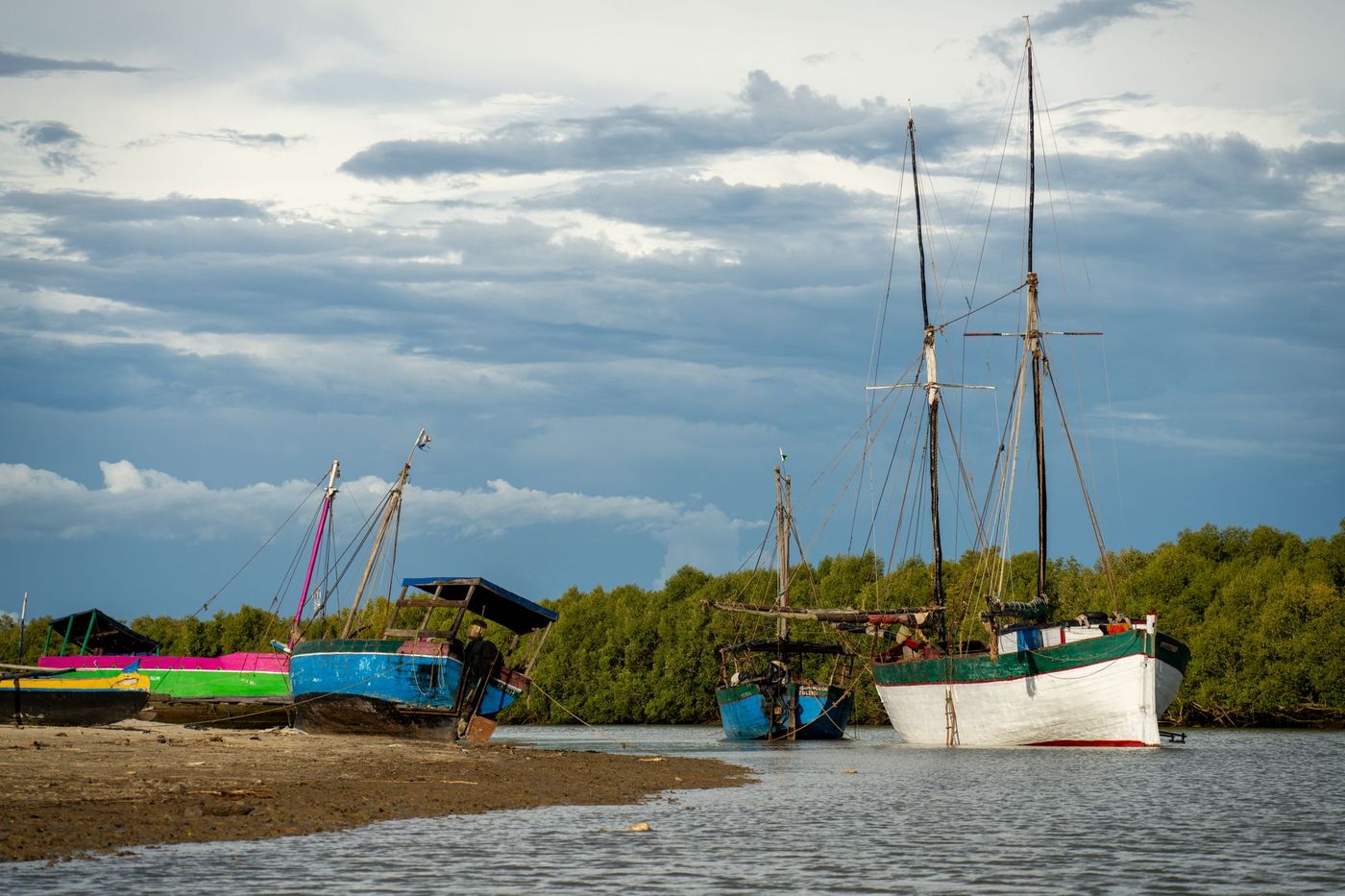
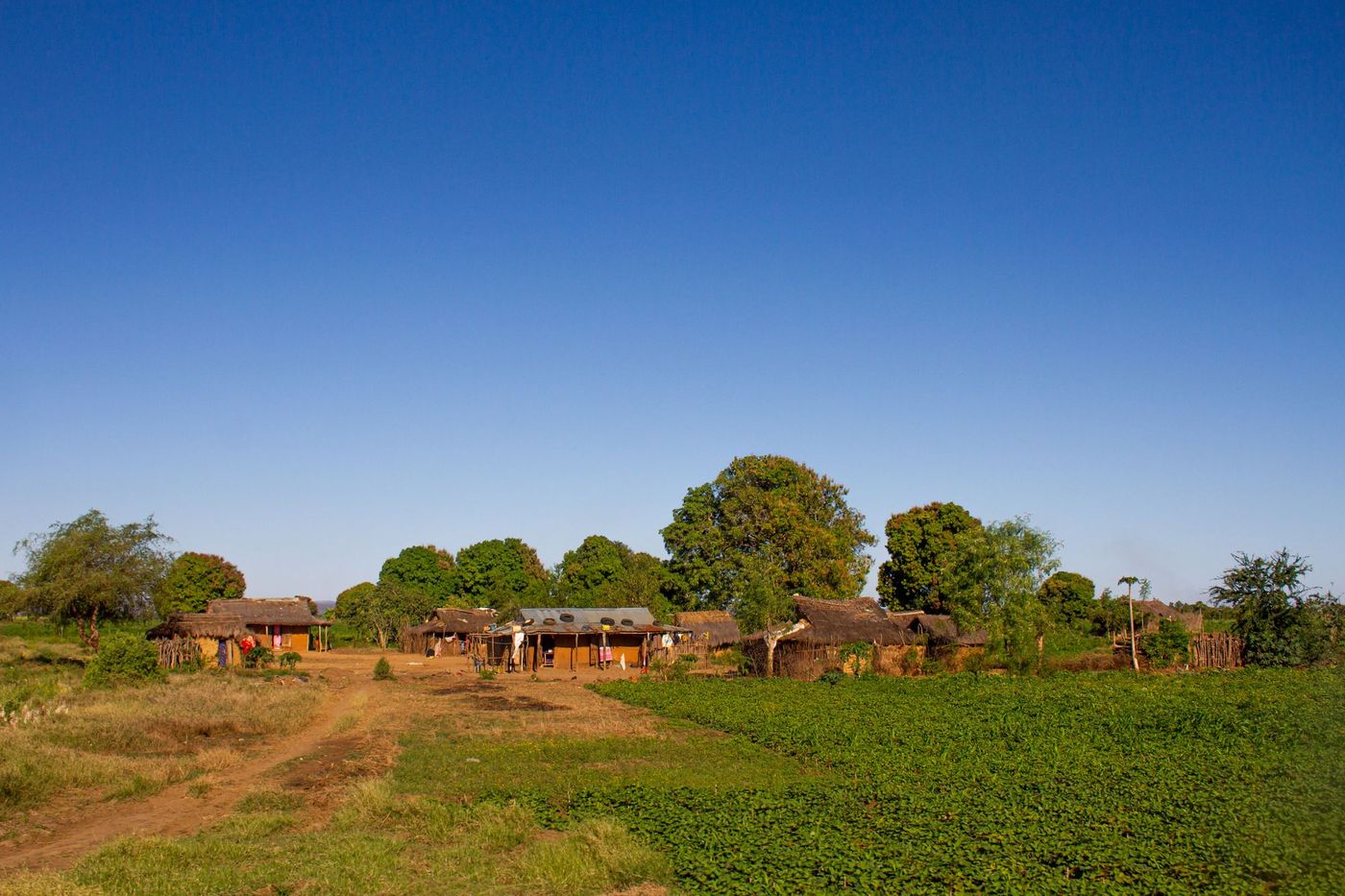
Madagascar counts roughly eighteen recognized ethnic groups, each with its own distinct customs and pride. The Merina and Betsileo dominate the highlands, while groups like the Sakalava live near the sea. Visitors rarely need to track every name.
Religion adds another layer to this heritage across the country. Many Malagasy blend Christian faith with ancestral belief, seeing little conflict between the two. Traditional practice and church attendance often sit side by side.
Ancestor worship (razana) and famadihana
Ancestors, called razana in Malagasy, remain present in family life long after death. Many Malagasy see them as active guardians, not distant memories fading with time.
The living stay connected through prayers, offerings and careful respect for family tombs and ancestral land alike. These bonds influence marriages, business decisions and even where a house may stand. Ignoring the razana is unthinkable for many families.
In the highlands, some families hold famadihana, one of the island’s most striking ceremonies to witness. It is joyful rather than sombre, marked by music, food and shared memory. The practice belongs mainly to Merina and Betsileo communities.
DEFINITION
Famadihana means “turning of the bones.” Families exhume ancestors, rewrap them in fresh silk shrouds, then dance with them before reburial. It is practised mainly in the highlands, not across the whole island.
Travelers may hear about famadihana, yet it is a deeply private family event. Attend only if a host clearly invites you, and follow their guidance on photos, dress and gifts.
Taboos (fady) travelers should know
Fady are local taboos handed down by ancestors, and they differ sharply from one place to another. What is normal in one village may be forbidden a few miles away.
A fady might forbid certain foods, days or words, animals, paths or places. Some ban pork; others protect a lake, a rock or a particular species. The logic is local, not national.
Common situations where fady matter for visitors include:
- Pointing at tombs with a straight finger, which many communities consider disrespectful
- Swimming in certain lakes or rivers held sacred by nearby families
- Eating specific foods on particular days, near sacred sites or in certain households
- Photographing tombs or ceremonies without first asking permission
The safest habit is simple, and it works everywhere: ask a trusted local host first. Your guide, driver or villa team can explain the fady that apply nearby. Questions are welcomed, not resented.
GOOD TO KNOW
Breaking a fady can be read as disrespect toward the community and its ancestors, even by accident. A short, sincere apology, guided by a local, usually settles the slip.
Fady decoder
What to do, what to avoid
Near a tomb
Do
- Ask your guide or host how to behave nearby
- Dress modestly and follow your hosts’ lead
Don’t
- Point at the tomb with a straight finger
- Photograph it without permission
A lake or a river
Do
- Ask whether the water is held sacred
- Check with your guide, driver or villa team
Don’t
- Swim before you have asked
Sharing a meal
Do
- Ask which foods are fady in this village or household
- Accept offers graciously when you can
Don’t
- Bring or eat a forbidden food, such as pork where it is banned
Taking photos
Do
- Ask permission before photographing people, tombs or ceremonies
- Accept “no” without pressing
Don’t
- Photograph a ceremony uninvited
You broke a fady by accident
Do
- Offer a short, sincere apology
- Let a local guide you through it
Don’t
- Brush it off
Fady shift from one village to the next: always confirm locally.
Language and everyday life
Malagasy is a single Austronesian language spoken islandwide, sitting beside French in official life. Its closest relatives lie in Southeast Asia, a linguistic echo of those first ocean crossings.
Regional dialects vary, yet speakers usually understand one another well across the country. French remains common in government, business and tourism, especially in cities. English is growing slowly in travel hubs.
Everyday life runs on warmth and patient courtesy rather than blunt speed. Greetings matter, small talk matters, and rushing a conversation can feel rude. Time often flows more gently than Western visitors expect.
A few words in Malagasy go a surprisingly long way with hosts and market sellers. Try “salama” for hello and “misaotra” for thank you. The effort alone earns real goodwill.
Naming customs also reveal deep respect for lineage among many families. A name can carry meaning, history or a wish for the child. Elders are addressed with care, rarely by a first name alone.
EXPERT TIP
Learn three phrases before you arrive: “salama” (hello), “misaotra” (thank you) and “azafady” (please, or excuse me). “Azafady” also softens any request, which locals appreciate greatly.
Music, dance and craft: hira gasy and salegy
Music and dance carry memory and social commentary, from highland stages to coastal dance floors. Sound is never just entertainment here; it holds history, humor and moral lessons.
In the highlands, hira gasy brings together troupes in bright costumes for a long, theatrical day. Singers, orators and dancers compete, blending proverbs, satire and advice for the audience. It is a proud Merina and Betsileo tradition.
On the northern and western coasts, salegy fills the night with fast, hypnotic rhythms made for dancing. Driven by guitars, accordion and drums, it powers weddings, festivals and beach parties alike. Few visitors leave a salegy night still standing.
Craft traditions carry equal cultural weight across the regions, including:
- Hand-woven silk lamba, the cloth central to famadihana and formal dress
- Intricate wood carving from communities like the Zafimaniry of the highlands
- Raffia and reed weaving, turned into hats, bags and everyday baskets
Buying directly from artisans supports these skills and keeps these living traditions financially alive. Ask about the maker and the meaning; the story usually enriches the object.
Food as culture
Rice sits at the center of every meal, anchoring both nutrition and national identity. Many Malagasy eat it three times a day, and a plate without rice can feel incomplete.
Around that rice comes “laoka,” the savory side dishes that vary by region and season. Think slow-cooked zebu, fish, beans, or greens in a light, aromatic broth. Flavors lean fresh rather than fiery.
Signature dishes worth seeking out include romazava, a herb-rich beef stew, and ravitoto with pork. Coastal areas add coconut, vanilla and seafood, while the highlands favor heartier plates. Street snacks reward the curious.
Sharing food is a quiet act of belonging, so accept offers graciously when you can. Meals build trust here faster than words, especially in family homes. Learn more in our guide to food in Madagascar.
Mealtimes follow gentle shared rituals at the table each day. Diners often wait for elders to begin, and second helpings are common.
5 quick facts about Madagascar
A few figures show how genuinely distinct the island feels to first-time visitors. Each one hints at the history and isolation behind the culture.
- Madagascar is the world’s fourth largest island, bigger than mainland France
- Around ninety percent of its wildlife exists nowhere else on the planet
- The Malagasy language links the island to distant Southeast Asian ancestry
- Roughly eighteen ethnic groups share one national language and identity
- Sainte-Marie, also called Nosy Boraha in Malagasy, once sheltered Indian Ocean pirates
These facts frame why the culture feels layered rather than simple on the ground. The island rewards travelers who slow down and pay attention.
Experiencing Madagascar culture respectfully
Respectful travel starts with watching and asking before you act or photograph. Curiosity is welcome; assumption is not, especially around sacred places and ceremonies.
Dress modestly near tombs, churches and villages, and follow the lead of your local hosts at all times. Ask permission before photographing people, and accept “no” without pressing. A smile smooths almost every exchange.
Support communities directly by choosing local guides and artisans where you can. Fair, direct spending keeps cultural knowledge alive and rooted in its home. It also opens warmer, more honest encounters with families.
On Sainte-Marie, this rhythm comes naturally, with quiet coves and village life close by. Plan your days around it with our ideas for things to do in Madagascar. Our team can also arrange respectful, guided cultural visits.
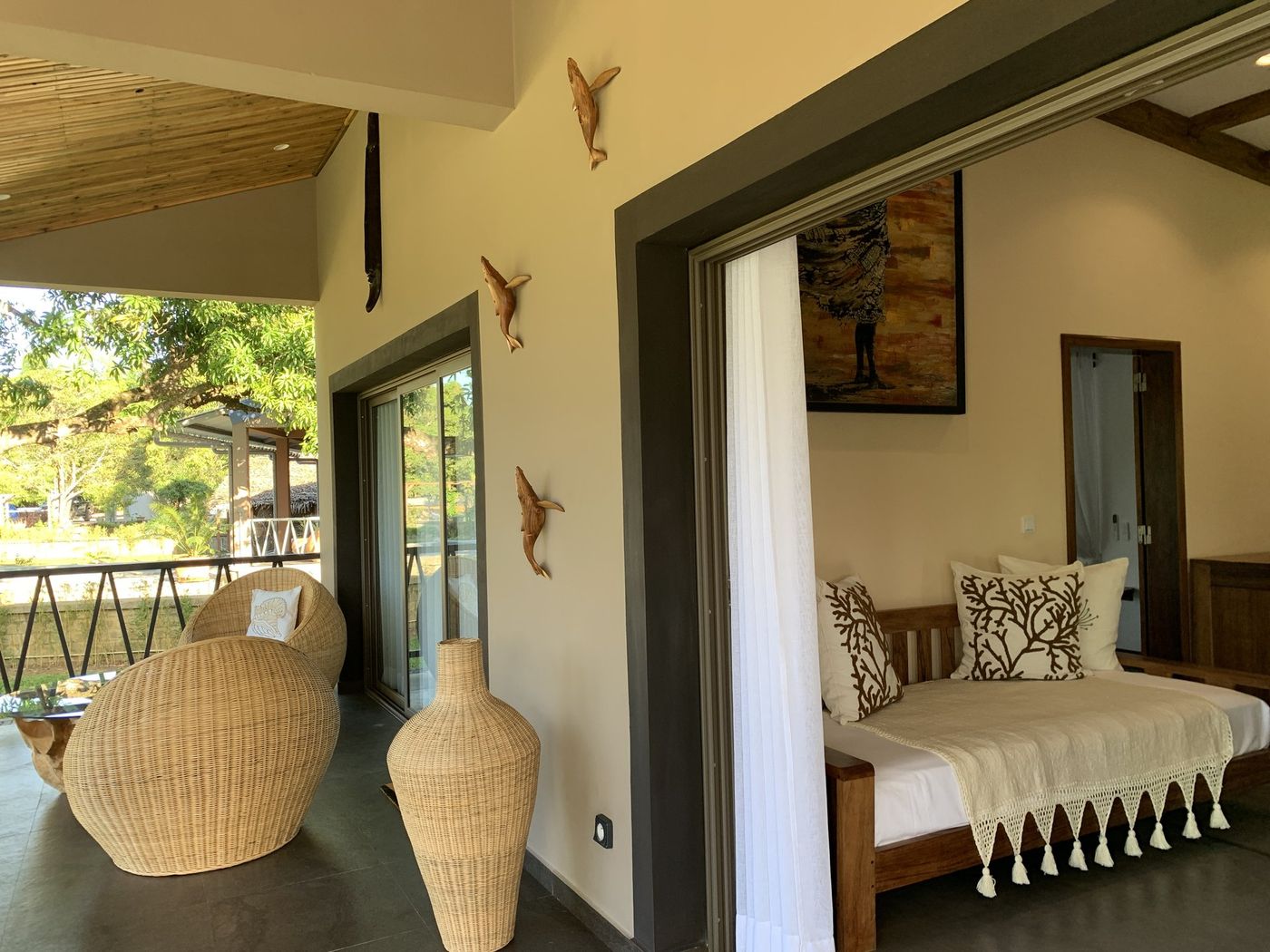
Staying with attentive hosts makes all of this far easier to navigate day to day. At our Kokoa Serena villas, the team is happy to explain nearby fady and customs.
KEY TAKEAWAYS
- Madagascar culture rests on ancestors (razana), honored through ceremonies like famadihana.
- Respect fady, the local taboos that shift by village, and always ask first.
- Learn a few Malagasy words, share rice generously, and let local hosts guide your behavior around sacred sites, photos and gifts.