
IN BRIEF
The 15 best things to do in Madagascar, at a glance:
- Meet lemurs in the wild at Andasibe and Ranomafana
- Join a guided night walk for chameleons and mouse lemurs
- Walk the Avenue of the Baobabs at sunset
- Hike the Tsingy de Bemaraha stone forest
- Watch humpback whales off Sainte-Marie
- Snorkel or dive with turtles and reef fish
- Island-hop to Nosy Be for diving and ylang-ylang
- Unwind on Île aux Nattes, car-free and quiet
- Visit the pirate cemetery on Sainte-Marie
- Taste Malagasy food, from romazava to street snacks
- Buy vanilla straight from growers
- Cruise the Pangalanes Canal past fishing villages
- Browse a highland zebu market
- Paddle out at sunrise with local fishermen
- Find easy lemur parks and calm lagoons with kids
Give the trip at least ten to fourteen days, and pick two regions rather than ten.
Is Madagascar worth visiting?
Yes, and it rewards travelers who slow down instead of rushing a checklist. We live here, and few islands hold this much wild wonder in one place.
Its forests shelter species found nowhere else on the planet, from tiny mouse lemurs to strange orchids. That rarity turns an ordinary walk into a private safari.
Beyond the wildlife, the culture feels warm and the landscapes shift fast. You cross rainforest, desert, highlands and reef inside one ambitious itinerary, all within weeks.
The island is vast and its roads are slow, so distances surprise first-timers. Trade breadth for depth, choose two regions to explore, and the country opens up beautifully.
English is uncommon outside hotels, yet a few French or Malagasy words open genuinely warm conversations everywhere. People are patient, curious, and quick to help a lost visitor.
The top thing to do: see lemurs and endemic wildlife
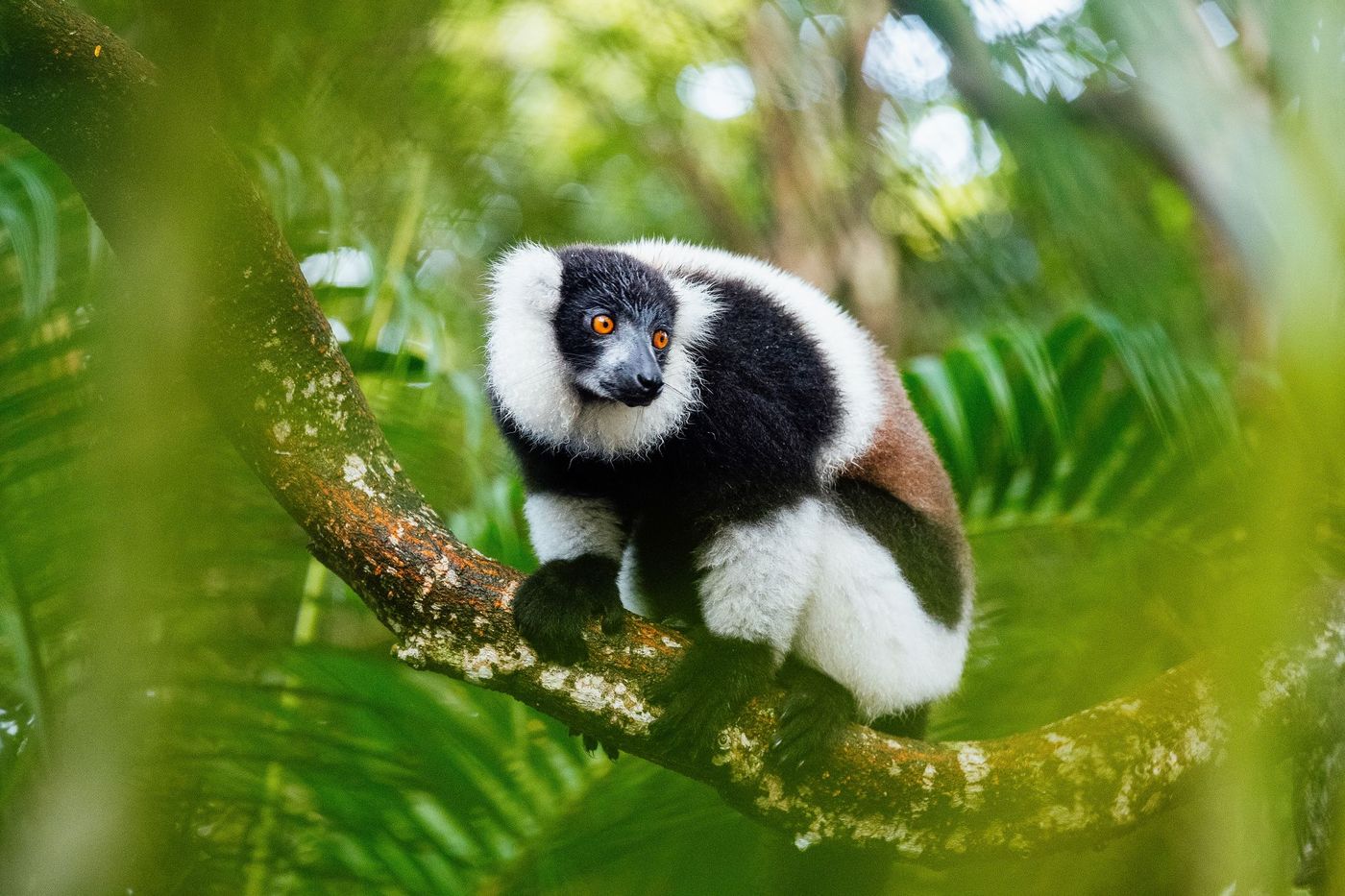
Meeting lemurs in the wild is the single most iconic thing to do in Madagascar. Guides know exactly where troops feed at first light.
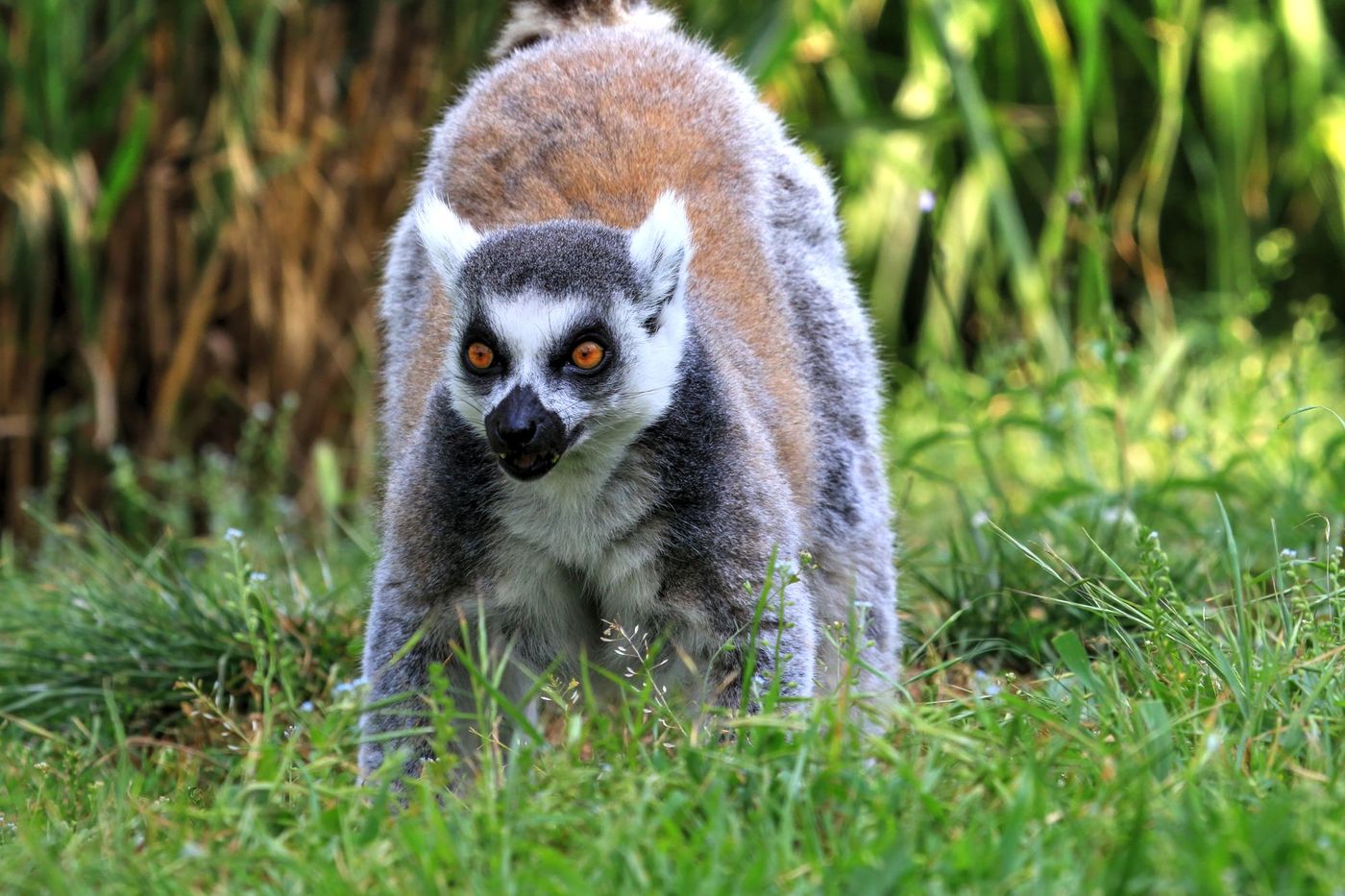
Lemurs are endemic to Madagascar, living only on this island and a few offshore islets. From the leaping sifaka to the singing indri, each reserve protects its own cast.
Watch especially for the wide-eyed indri and sifaka, plus nocturnal aye-ayes when luck holds. No zoo compares to a troop crossing the canopy right above your head.
Where we send first-timers for a reliable lemur encounter:
- Andasibe-Mantadia rainforest reserve, an easy park near the capital, echoing with indri calls.
- Ranomafana mountain forest, misty and famous for bamboo lemurs and hot springs.
- Ambodiforaha forest on Sainte-Marie, where local guides help you find lemurs and chameleons.
Time your visit for the drier southern winter, from May to October, when trails stay firm. Lemurs stay active year-round, yet dry mornings make forest tracks far kinder.
Bring patience and a zoom lens, because the finest sightings reward calm and unhurried mornings outdoors. Chameleons, tomato frogs and rare birds fill every pause between primates.
Walk the Avenue of the Baobabs
The Avenue of the Baobabs is the island’s most photographed sight, and standing beneath the giants humbles almost everyone. Sunset turns the bark to copper.
This dirt road runs near Morondava, on the rugged west coast, lined with centuries-old Grandidier’s baobabs. Malagasy legend calls them trees planted upside down by the gods.
Reaching the avenue usually means flying to Morondava, then a short drive at dusk to the trees. Pair it with nearby villages to see how communities live around these sacred giants.
Arrive for the soft golden hour, when the day crowds thin and the trunks glow. Zebu carts drift past, and every silhouette looks deliberately composed.
Hike the Tsingy de Bemaraha
Hiking the Tsingy de Bemaraha is the island’s greatest single adventure, a maze of razor limestone. Suspension bridges swing over gorges hundreds of feet deep.
This UNESCO stone-forest reserve sits in the remote western interior, north of Morondava. Its Malagasy name means the place where you cannot walk barefoot.
Access closes during the heaviest rainy months, so plan the visit for the dry season. Most travelers base themselves in Bekopaka and tackle the pinnacles across a full day.
The route demands real effort, so pack sturdy shoes and water and hire a certified guide. Harnesses, ladders and tight chimneys lead to unforgettable summit views.
EXPERT TIP
String Morondava, the baobabs and the Tsingy into one western road loop by car. The tracks are rough, so add spare days for driving rather than doubling back in a panic.
Whale watching in Sainte-Marie
Watching humpbacks breach off Sainte-Marie is, for us, the island’s most moving spectacle each winter. They travel here to mate, calve and nurse.
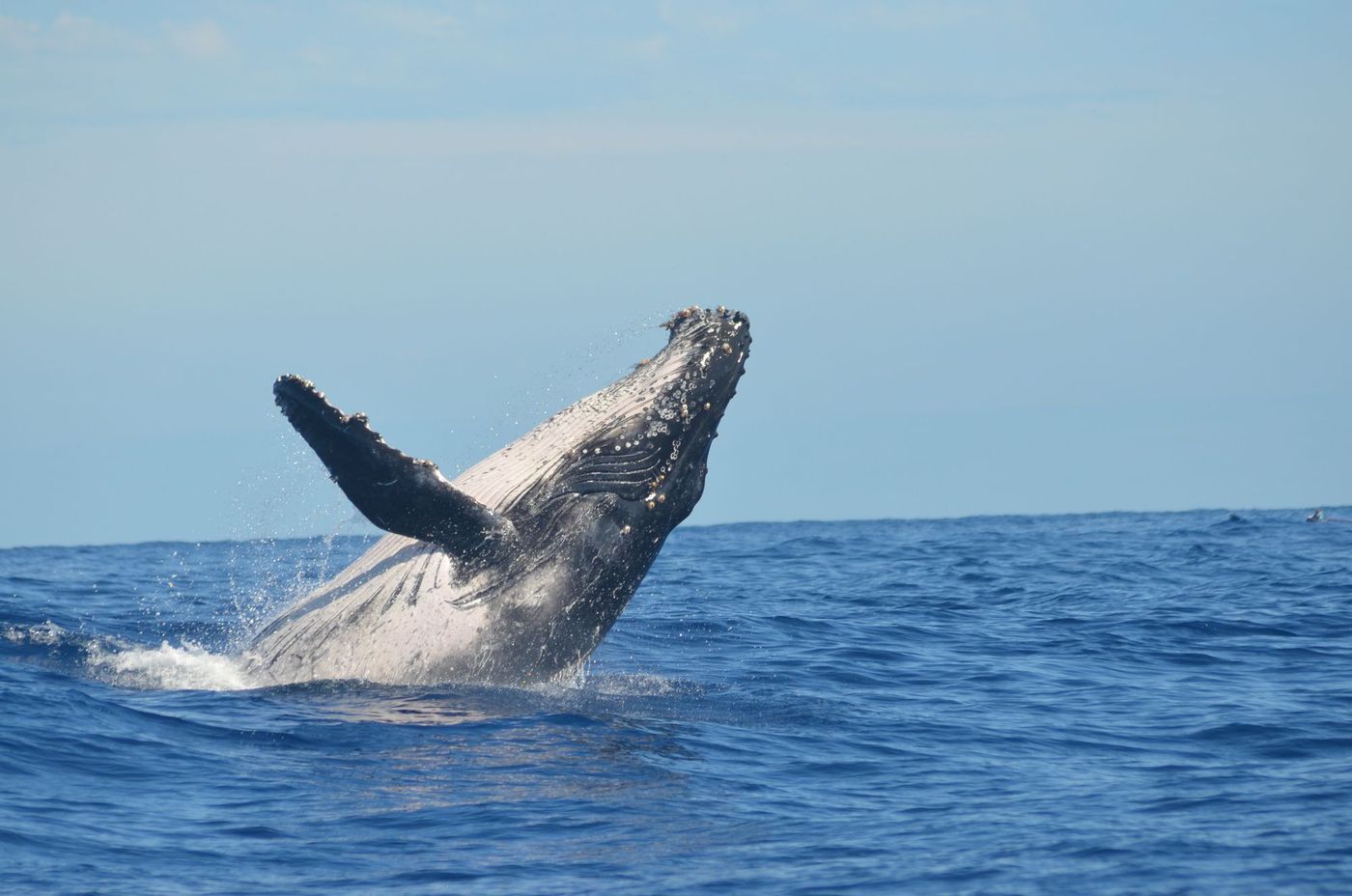
The humpbacks pass our channel from mid-June to late September, peaking in July and August. Small boats simply idle while the giants surface nearby.
These are home waters for us. Choose operators certified by Cétamada, who keep the regulated 100-meter distance and never chase the pods. Our guide to humpback whales in Sainte-Marie covers the whole season.
Beyond the whales, the surrounding sea teems with dolphins and sea turtles, plus reef fish. Snorkeling and diving fill the calm hours between boat outings and long lunches.
Beaches and island escapes: Nosy Be and Île aux Nattes
Madagascar’s islands deliver the barefoot, turquoise days most travelers picture. Three names cover very different island moods for travelers.
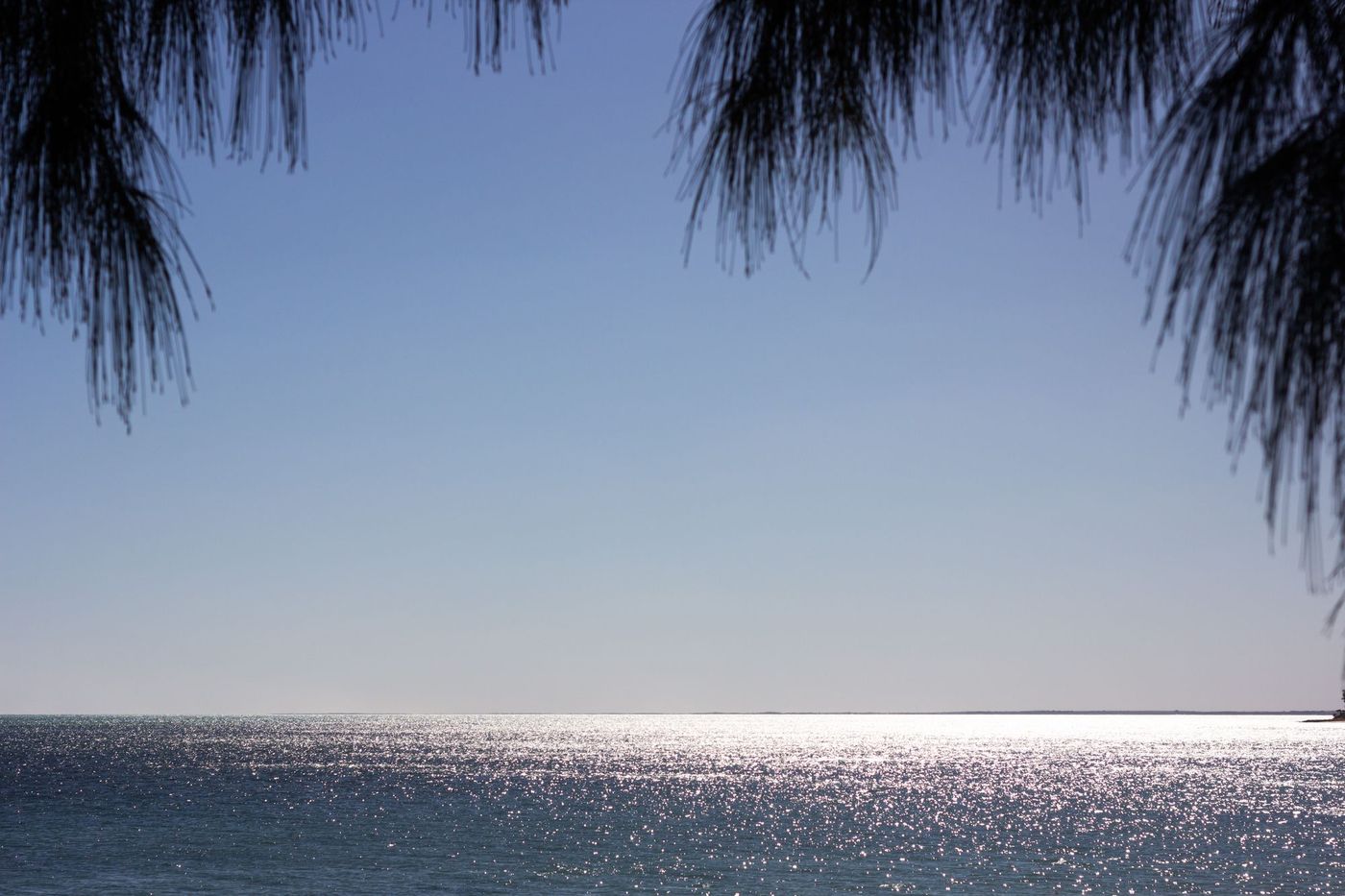
- Nosy Be island, the lively northern hub, with resorts, diving and ylang-ylang plantations.
- Île aux Nattes, a small islet off southern Sainte-Marie, car-free and blissfully sleepy.
- Sainte-Marie main island, our home base, blending pirate history with palm lanes and hidden coves.
Honeymooners love a day on calm Île aux Nattes, a ten-minute pirogue ride from Sainte-Marie’s southern tip. Divers often add Nosy Be. Our Kokoa Serena villas sit on Sainte-Marie, two kilometers from the whale-boat harbor.
Island time here means slow mornings, fresh fish over charcoal, and swimming before the heat builds. Pack reef-safe sunscreen, since the coral is fragile and closely watched.
Diving here means warm water and healthy reef, plus the odd passing whale or turtle. Even snorkelers drifting over shallow coral spot octopus, rays and clouds of fish.
Taste Malagasy food & culture
Malagasy cooking is warm, rice-based comfort food, and a real meal reveals culture at its warmest up close. Every plate carries a small story.
Rice anchors every table, served with grilled zebu and fresh seafood, plus tangy pickles called achards. Vanilla, cloves and green pepper season the whole coast.
Street stalls sell cheap, delicious snacks like mofo gasy rice cakes and grilled zebu skewers all day. Wash them down with fresh tropical juice or a cold local Three Horses beer.
Vanilla from the northeast ranks among the finest anywhere on earth, and it scents everything. Buy pods straight from growers, and your kitchen smells of Madagascar for months.
Beyond the plate, daily life honors ancestors and close community, expressed through music, dance and ceremony. Always ask before photographing tombs or family rituals. Go deeper with our guides to food in Madagascar and Madagascar culture.
Unusual things to do in Madagascar
For travelers who want stories nobody else brings home, the island hides genuinely offbeat experiences too. Some take effort, and all reward curiosity.
- Pangalanes Canal cruise, a chain of lagoons you drift past fishing villages.
- Guided night walks, torch-lit forest hikes revealing chameleons and mouse lemurs.
- Sainte-Marie pirate cemetery, where the graves of 17th- and 18th-century pirates overlook the bay.
History buffs can trace the island’s golden age of piracy around Sainte-Marie. The bay once sheltered notorious crews, and their story still shapes local legend.
Inland, highland villages reward slow travelers with weekly zebu markets and terraced rice valleys. These stops rarely appear on tours, yet they linger longest in memory.
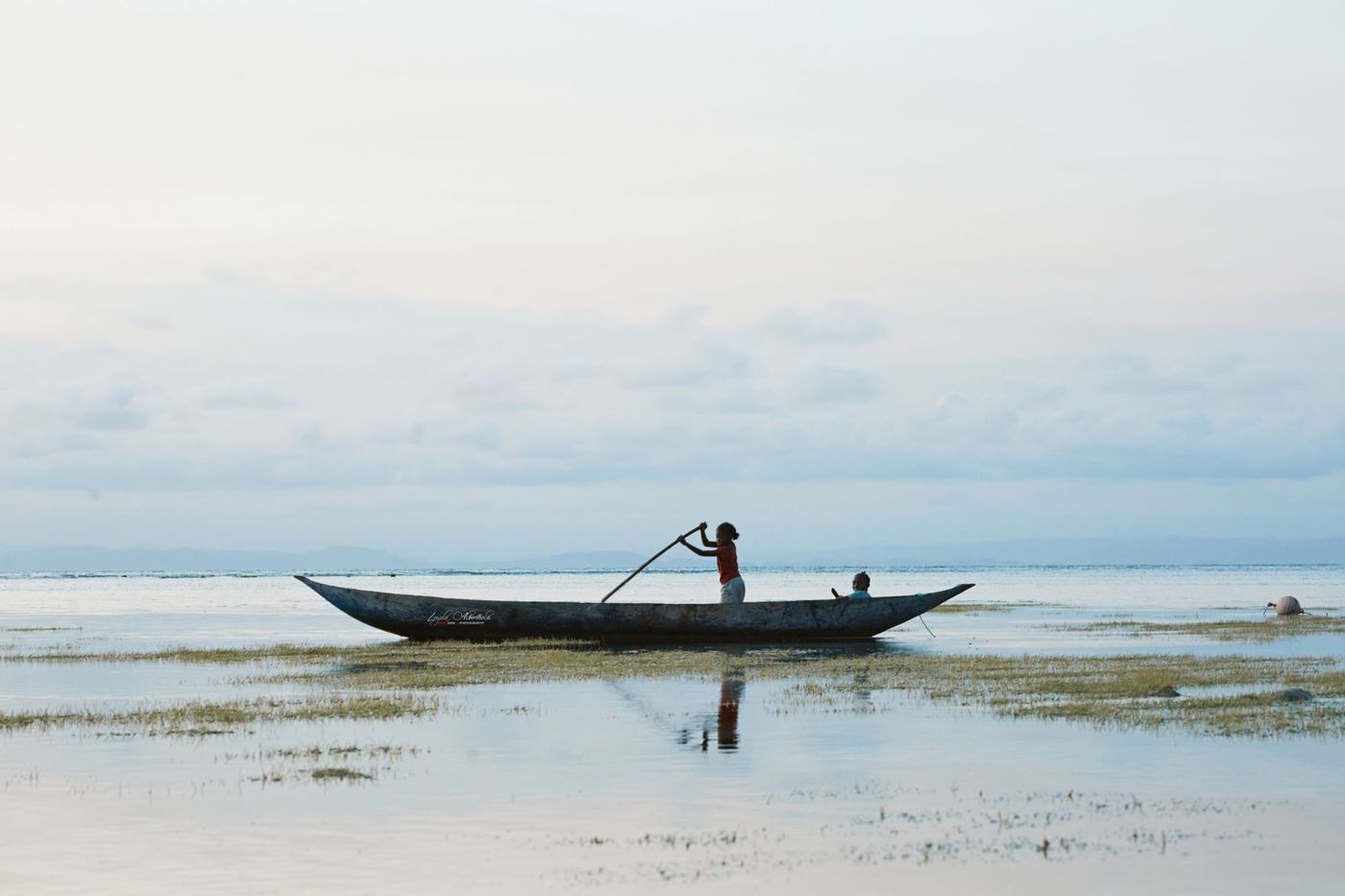
Ask about a sunrise pirogue outing with local fishermen, arranged on request. You come back with a story worth telling.
Things to do with kids
Madagascar suits adventurous families, and the wildlife alone makes instant young naturalists of them. Keep the daily pace gentle and flexible.
- Easy lemur parks, where children spot primates close without long treks.
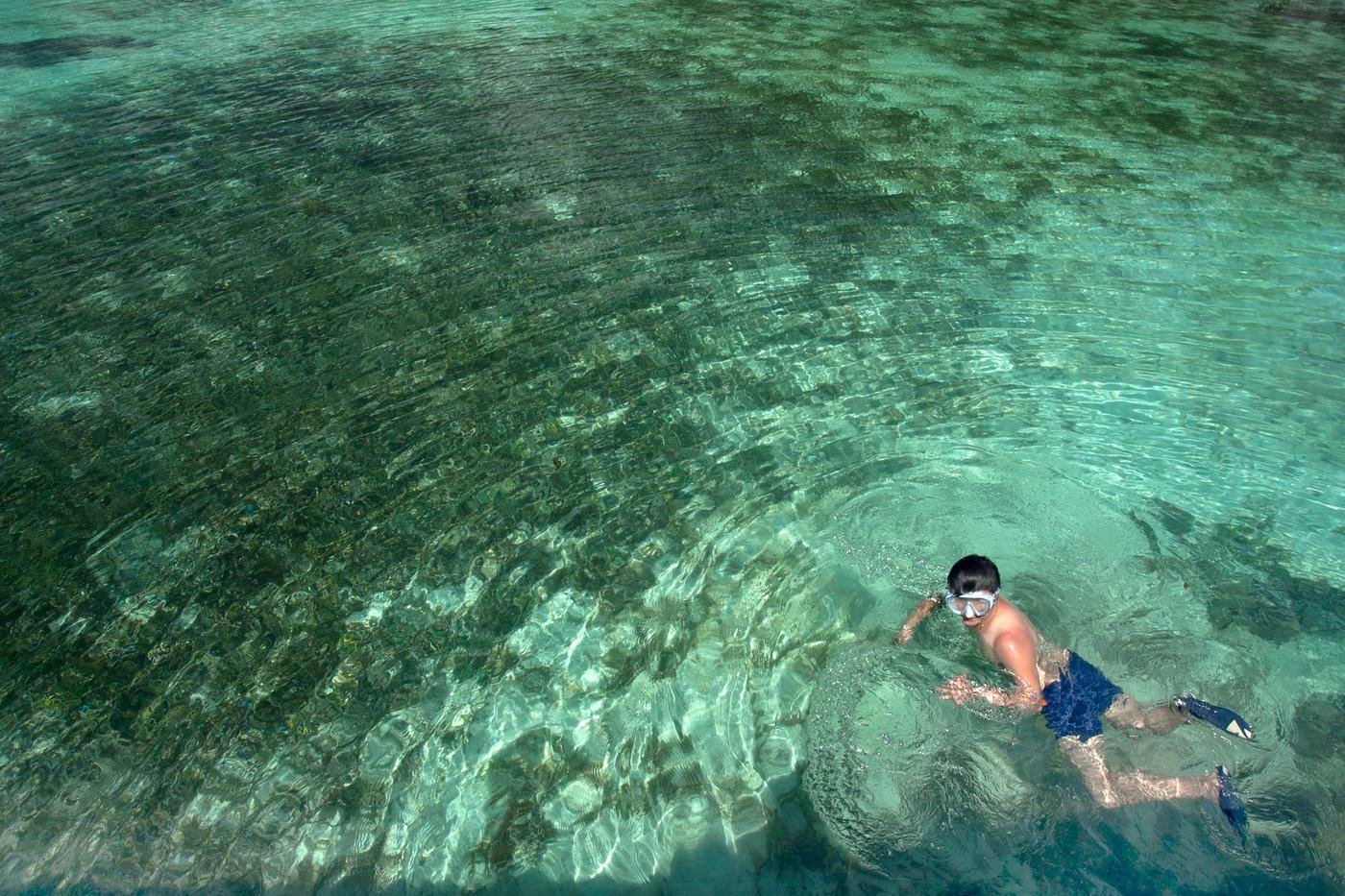
- Calm swimming beaches, perfect for snorkeling and rock-pool exploring.
- Short boat trips, quick crossings that feel like proper expeditions.
Balance moving days with plenty of downtime near the water, since long drives tire everyone. Pack sun protection, snacks and a generous sense of humor.
GOOD TO KNOW
Distance is the real hurdle with children on board. Pick one region rather than five, and let each day breathe instead of chasing every highlight.
How many days & where to start
Give Madagascar at least ten to fourteen days, and begin with a single region rather than the entire map. Depth always beats distance here.
Trip planner
Build your must-do shortlist
Your shortlist: 6 experiences
Pick an interest to start your shortlist.
Wildlife
- Meet lemurs in the wild at Andasibe and Ranomafana
- Join a guided night walk for chameleons and mouse lemurs
- Watch humpback whales off Sainte-Marie, mid-June to late September
Landscapes
- Walk the Avenue of the Baobabs at sunset
- Hike the Tsingy de Bemaraha stone forest
Sea & islands
- Snorkel or dive with turtles and reef fish
- Island-hop to Nosy Be for diving and ylang-ylang
- Unwind on Île aux Nattes, car-free and quiet
Food & culture
- Taste Malagasy food, from romazava to street snacks
- Buy vanilla straight from growers
- Browse a highland zebu market
Offbeat
- Cruise the Pangalanes Canal past fishing villages
- Visit the pirate cemetery on Sainte-Marie
- Paddle out at sunrise with local fishermen
With kids
- Find easy lemur parks and calm lagoons
Give the trip at least ten to fourteen days, and pick two regions rather than ten.
Timing matters as much as distance, so match each highlight to its season.
| Experience | Where | Best time |
|---|---|---|
| Lemurs | Andasibe-Mantadia, Ranomafana, Ambodiforaha | May to October, on dry trails |
| Avenue of the Baobabs | Near Morondava, on the west coast | Sunset, at golden hour |
| Tsingy de Bemaraha | Western interior, north of Morondava | Dry season; closed in the heaviest rains |
| Humpback whales | Off Sainte-Marie | Mid-June to late September |
A simple way to shape a first trip:
- A tight 10-day trip, one clear theme such as lemurs plus a beach finish.
- A two-week western loop, the baobab-and-Tsingy route with wildlife stops along the way.
- A full three weeks, mixing rainforest parks, the west, and island time on Sainte-Marie.
Most visitors land in Antananarivo, then spread out by short domestic flights from there. Do not underestimate transfers, since a small map distance can mean a full driving day behind the wheel.
Budget for a mix of flights and private drivers, which saves days on rough roads. Comfort matters on the long transfers, especially with children or older travelers along.
For routes, seasons and logistics, our Madagascar travel guide covers the practical groundwork before you commit.
KEY TAKEAWAYS
- Meet lemurs early, catch the baobabs at sunset, and brave the Tsingy once.
- Time Sainte-Marie for the mid-June to September whale season, unwind on Île aux Nattes, and never overpack the plan.
- Two regions done well beat ten rushed ones.