
IN BRIEF
- Madagascar is safe for most travelers who plan ahead, guard their belongings in cities, and choose calm island bases like Sainte-Marie.
- The real risks are petty theft, rough roads, and cyclone season, not violence against tourists.
We live year-round on Sainte-Marie, and one question reaches us more than any other: is Madagascar safe? Our honest answer lives somewhere between the headlines and the brochure gloss. This is a land of warm people and raw landscapes, shaped by poverty and by beauty at once.
We won’t sugar-coat the risks, and we won’t inflate them either. Most trips here pass without a single problem, especially when you plan your route and pick quiet bases. Safety here is less about avoiding danger and more about making smart choices at each step. Where you sleep, who drives you, and when you travel shape the whole experience.
Is Madagascar safe for tourists right now?
Yes, Madagascar is broadly safe for tourists in 2026, as long as you take everyday precautions and check current advisories.
Violent crime against visitors stays rare, and the threats you meet are usually opportunistic rather than personal in nature. Pickpockets work crowded markets. Drivers face potholes and long journeys. Nature sets the calendar with its storm season.
Politics deserves an honest note. Protests in late September and October 2025 brought violence and looting in the capital, and a transitional government took office that October. Official advisories have since reported a return to calm, yet you should still avoid every demonstration. The countryside and the islands feel worlds apart from any city tension.
Perspective helps, too. Most visitors explore Madagascar’s parks, reefs, and rainforests without serious trouble along the way. The wildlife and the welcome, not crime, are what stay with people.
The main risks to know
The risks worth your attention are petty theft and rough roads, plus cyclone season, far more than any danger of assault.
| Risk | Where | What to do |
|---|---|---|
| Petty theft | Antananarivo: markets, bus stations, busy streets | Cross-body bag, trusted taxi at night |
| Road accidents | Intercity routes, above all after dark | Daytime travel with a local driver |
| Cyclones | East coast, November to April | Watch forecasts, stay flexible |
| Banditry | Far south and southwest, some rural roads | Check advisories, avoid night travel |
| Malaria | Coastal and lowland areas | Repellent, nets, a travel-clinic visit |
| Unsafe water | Everywhere | Sealed or filtered water only |
Petty crime in cities
Antananarivo, the capital, is where you need the most street awareness by far. Bag-snatching and pickpocketing happen in markets, bus stations, and busy streets after dark.
Keep phones and cash out of open pockets in crowds. Leave the good watch and heavy jewelry at home. Use a cross-body bag, and carry only what one day needs.
At night, take a trusted taxi or a hotel transfer rather than walking. Your host or lodge can arrange a known driver for you. That single habit removes most of the city risk.
Road conditions and travel
Roads are the real hazard in Madagascar, more than crime by a wide margin. Distances look short on a map yet swallow entire days on cratered tarmac and dirt.
Avoid driving at night, when unlit trucks and animals share the road. Hire a local driver who knows the route, the fuel stops, and the weather. For long hops, a domestic flight often beats two exhausting days at the wheel.
River crossings and washed-out bridges add delay in the wet months. Build slack into your schedule, and never rush a driver to make up lost time.
Cyclone season
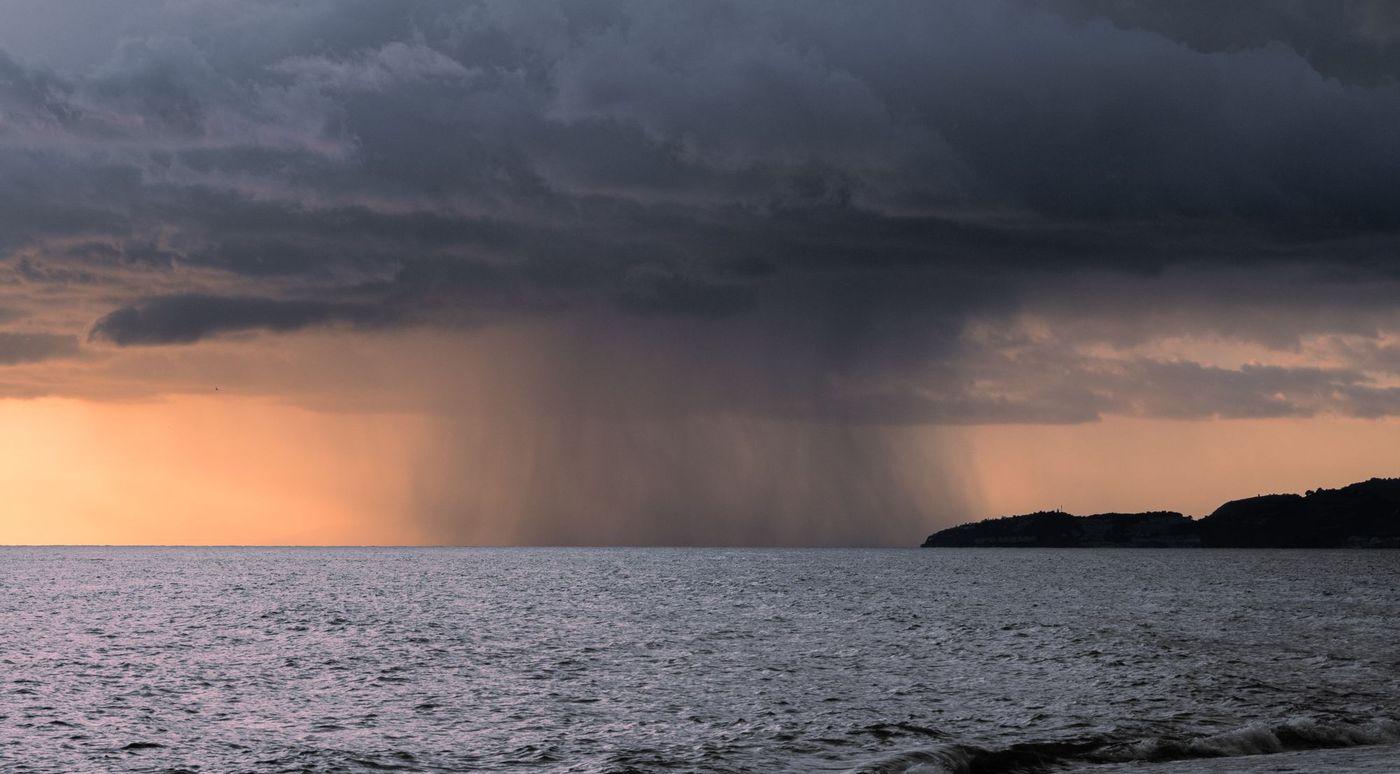
Madagascar sits in a cyclone belt, and the season normally runs from November to April, peaking from January to March. This period brings heavy rain, flooding, and the occasional powerful cyclone on the east coast.
You can still travel in these months, but stay flexible and watch forecasts. For the calmest seas and clearest skies, see the seasons section of our Madagascar travel guide. The dry season, from May to October, suits most first trips.
IMPORTANT
Never drive intercity routes after dark, and never ignore a cyclone warning on the east coast. These two rules prevent the most serious incidents that reach travelers.
Areas to avoid and where’s safe
Most tourist regions are safe, while a few remote zones and the deep south deserve extra caution or avoidance on some routes.
The classic circuits feel welcoming and well-traveled to visitors. The safest, most rewarding areas include:
- The island of Sainte-Marie, calm and easy to explore
- Andasibe and the rainforest parks east of the capital
- The RN7 route south toward Antsirabe and Fianarantsoa
- The Avenue of the Baobabs near Morondava
A handful of areas carry higher risk from banditry or isolation. The far south and southwest have seen armed cattle-rustling gangs on some rural roads. Official advisories also flag armed robberies on main roads at night, and isolated beaches around Toliara. Nosy Be has improved, though basic vigilance still applies there.
Political demonstrations, when they occur, cluster in the capital and a few large towns. Skip any gathering, keep clear of government buildings during unrest, and your days stay quiet and ordinary throughout.
In the capital, treat crowded transport hubs and dark streets with respect. Trust your instincts, and lean on local advice over rumor every time. Your lodge knows which corner is fine and which to skip.
Safety checklist
Your checklist, region by region
A planning aid, not official advice: read your government’s current travel advisory.
Health & safety
Your health needs more planning than your personal safety, so book a travel-clinic visit well before your departure date.
Malaria and mosquito-borne risk
Malaria is present in Madagascar, mostly in coastal and lowland areas, and the risk rises in the wet season. Mosquitoes here can also carry other fevers, so bite prevention matters everywhere.
Cover up at dusk, use a good repellent, and sleep under nets where provided. Ask a travel-medicine doctor about antimalarial options for your route. We won’t suggest any dosage, because that call belongs to your clinician.
Water and food
Tap water is not safe to drink, so stick to sealed or filtered water only. Skip ice of unknown origin, and be thoughtful with raw salads outside trusted kitchens.
Street food can be wonderful, yet choose stalls that are busy and freshly cooking food. Peel your own fruit. A little caution keeps stomach trouble from stealing a beach day.
Vaccines and travel clinics
Routine vaccines should be current, and a clinic may advise extras for Madagascar. Common recommendations often include cover for hepatitis and typhoid, with tetanus kept up to date and rabies discussed for longer or rural stays. A measles outbreak was reported in 2026, so check that protection too.
Book that appointment four to six weeks ahead when you can. Bring a small personal first-aid kit with essentials. Good travel insurance, including medical evacuation, is not optional here.
EXPERT TIP
Pack a compact medical kit with rehydration salts, plasters, and any personal medication in original packaging. Rural pharmacies are limited, and having your own basics saves a lot of worry.
Is Madagascar safe for solo female travelers?
Yes, Madagascar can be rewarding for solo women who travel attentively, though it asks for the same street sense any city demands.
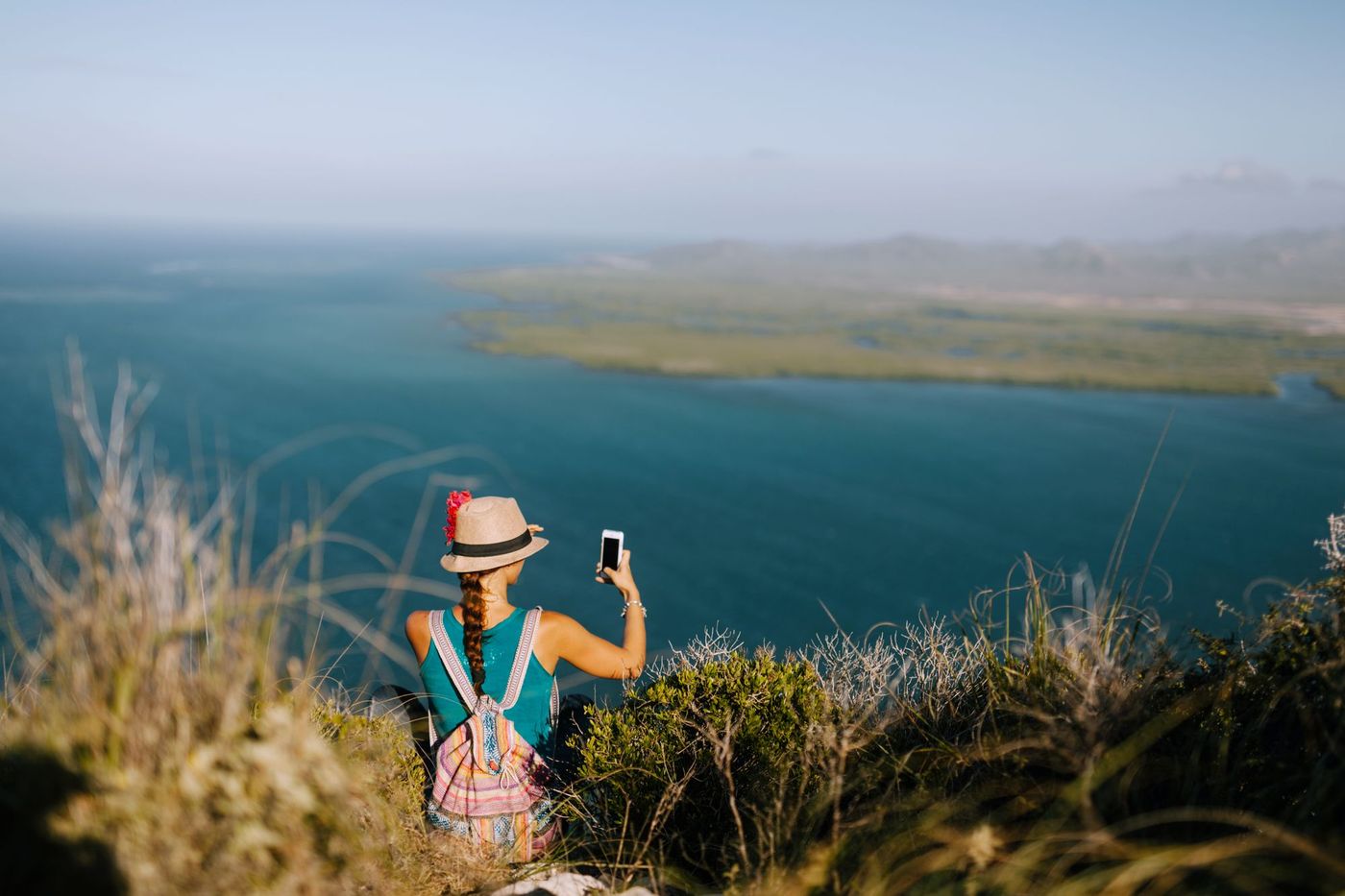
Malagasy culture is generally courteous, and street harassment stays limited but real in big cities. On the islands, the question barely comes up.
Dress modestly in towns and villages to blend in and show respect. Avoid walking alone after dark, and favor arranged transport at night. Share your itinerary with your lodge, and check in with someone at home.
Plenty of women travel the island independently and love it. Group tours and small lodges add an easy layer of company. Trust that gut feeling, and step away from anything that feels off.
Safety for US / UK travelers
Madagascar is a manageable and welcoming destination for American and British visitors who prepare their paperwork and read the current advisories.
Check your government guidance before booking and again before you fly. The US State Department and the UK FCDO publish up-to-date country advice on regions, health, and entry rules. Both the US and UK keep an embassy in Antananarivo.
Entry is simple for short stays, with an e-visa or visa on arrival depending on trip length. Confirm the latest rules and fees before flying, since these change. Carry a passport valid six months after arrival, plus copies stored separately. Since 2026, arrivals also complete a health declaration and screening, with restrictions after travel through Ebola-affected countries.
Choose a policy that pays for remote-area medical evacuation, not only hospital bills. Register with your embassy’s traveler program if one is offered. These steps cost little and matter enormously if plans go sideways.
Practical safety tips from a local host
The safest trips rest on a few steady habits, easy to repeat wherever the road takes you.
- Start every drive early — leave at first light and arrive well before dusk.
- Carry small ariary notes — cash machines grow scarce once you leave the main towns.
- Keep digital passport copies — store them apart from the original document.
- Let your lodge book transport — a known driver beats a stranger hailed on the street.
- Ask before you wander — hosts know which beach or lane to skip after dark.
None of this is dramatic, and that is the point. These routines remove most everyday risk and leave more room for the island itself.
Sainte-Marie: a calm, safe island base
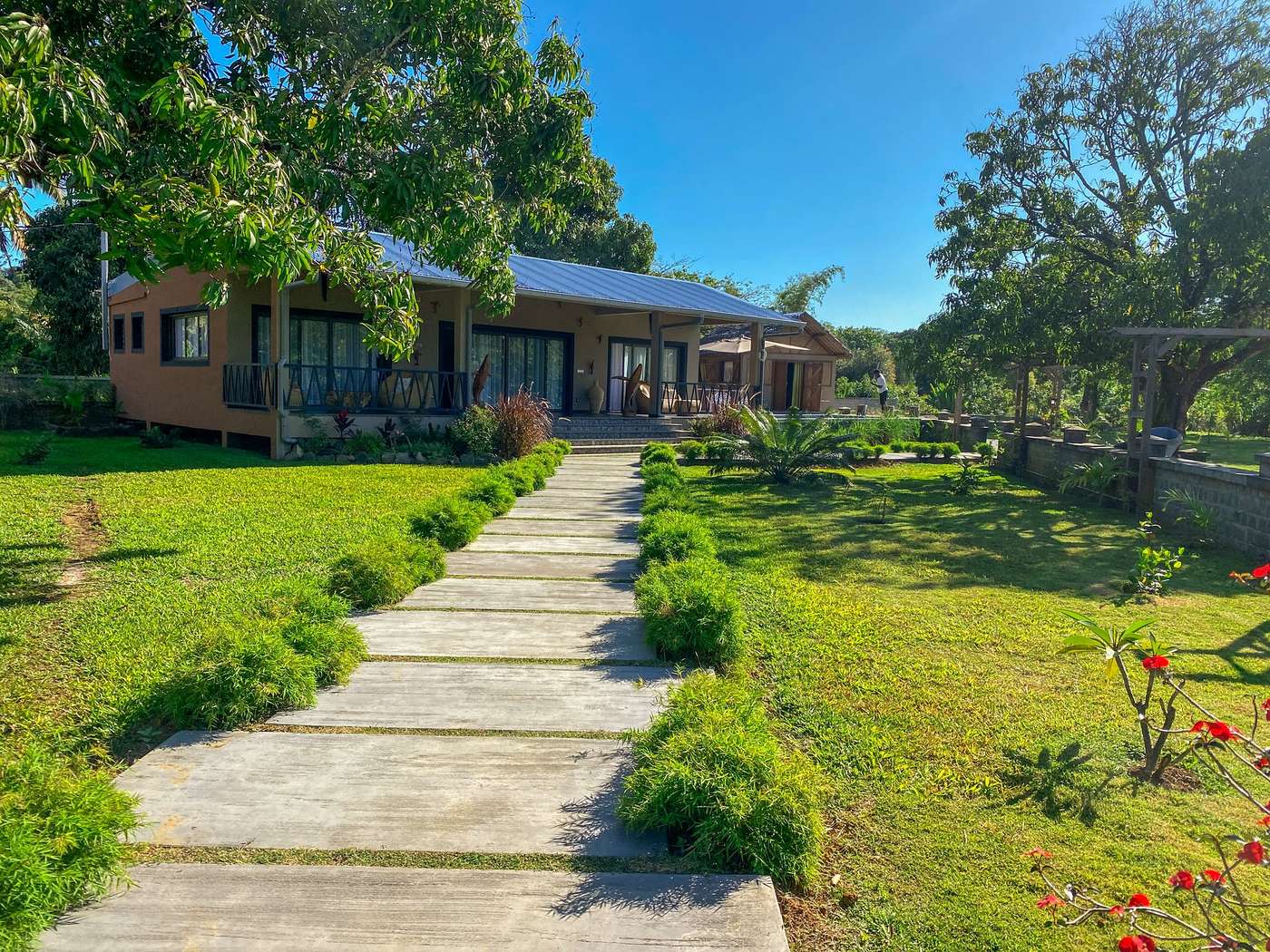
Sainte-Marie is one of the gentlest and safest corners of Madagascar, and it is exactly why we built our home here.
Life on the island moves slowly, and the mood is unhurried and kind. There is no city bustle to navigate, no frantic traffic, just sandy lanes and quiet coves. The island appears in no official vigilance zone on the French foreign ministry’s map. Guests ride scooters from beach to beach and settle into the rhythm.
The island has its own small airport and a short ferry link to the mainland. Getting here is part of the unwinding, and we can arrange your transfer from the airport or the port. Nothing about your stay should feel complicated or exposed.
Between mid-June and late September, the channel fills with migrating humpback whales, one of the great wildlife shows on Earth. You can read more in our guide to humpback whales in Sainte-Marie. Watching them breach from the water stays with you for life.
When you stay with us, safety is handled quietly in the background. We arrange trusted drivers, honest guides, and reliable airport transfers for guests. See our private villas on Sainte-Marie to picture your own slow island days.
KEY TAKEAWAYS
- Madagascar is safe for well-prepared travelers.
- Guard against petty theft in cities, avoid night driving, and respect cyclone season from November to April.
- See a travel clinic for malaria and vaccines, buy strong insurance, and choose calm bases like Sainte-Marie for the easiest, most beautiful trip.