

Why travel to Madagascar, when it sits so far from everywhere? Because nothing on earth looks quite like it. This island has been on its own for 88 million years. Life here evolved alone, and roughly 90% of it exists nowhere else.
This is not a polished resort strip. Roads run slow, and every comfort is earned rather than assumed here. Yet that rawness is the whole draw. You trade convenience for wildlife, space and real encounters.
IN BRIEF
- Wildlife: over 100 lemur species, plus six of the world’s baobabs, found only here.
- Whales: humpbacks off Île Sainte-Marie, July to September.
- Beaches: empty east-coast sand and reef, at a slow pace.
- Culture: a warm Malagasy welcome, markets and living traditions.
- Best for: patient travelers who value wild over polished.
Is Madagascar worth visiting?
Yes, and the honest answer matters here. Madagascar suits curious, patient travelers far more than resort-seekers. It offers wildlife and scenery found on no other island. In return, you accept long transfers and simple comforts.
The reward outweighs the effort for the right person. You reach places that feel genuinely off the map to most travelers. Few destinations of this scale stay this untouched. That scarcity is exactly what draws people back.
The country stays refreshingly free of mass tourism. You share trails and beaches with only a handful of others. That kind of space is increasingly rare worldwide. Here it still comes as standard.
Why travel to Madagascar for its wildlife
For animals that exist nowhere else on the planet. Madagascar counts over 100 lemur species, from the tiny mouse lemur to the leaping sifaka. All of them live only here. Chameleons, strange insects and rare birds fill out the cast.
The plant life feels just as otherworldly. Six of the world’s nine baobab species grow only in Madagascar. Their swollen trunks glow at sunset near Morondava. Spiny forests and wild orchids round out the scene.
Nowhere else concentrates this much rare life. The island works like a living laboratory of evolution. After dark, torch-lit walks reveal sleeping chameleons and lemurs. Naturalists rank it among the planet’s top wildlife spots.
You meet this wildlife up close, not behind glass. The indri, the largest lemur alive, calls through the rainforest at Andasibe. A guide walks you to within a few metres. Moments like these anchor most first trips.
Landscapes that shift by the hour
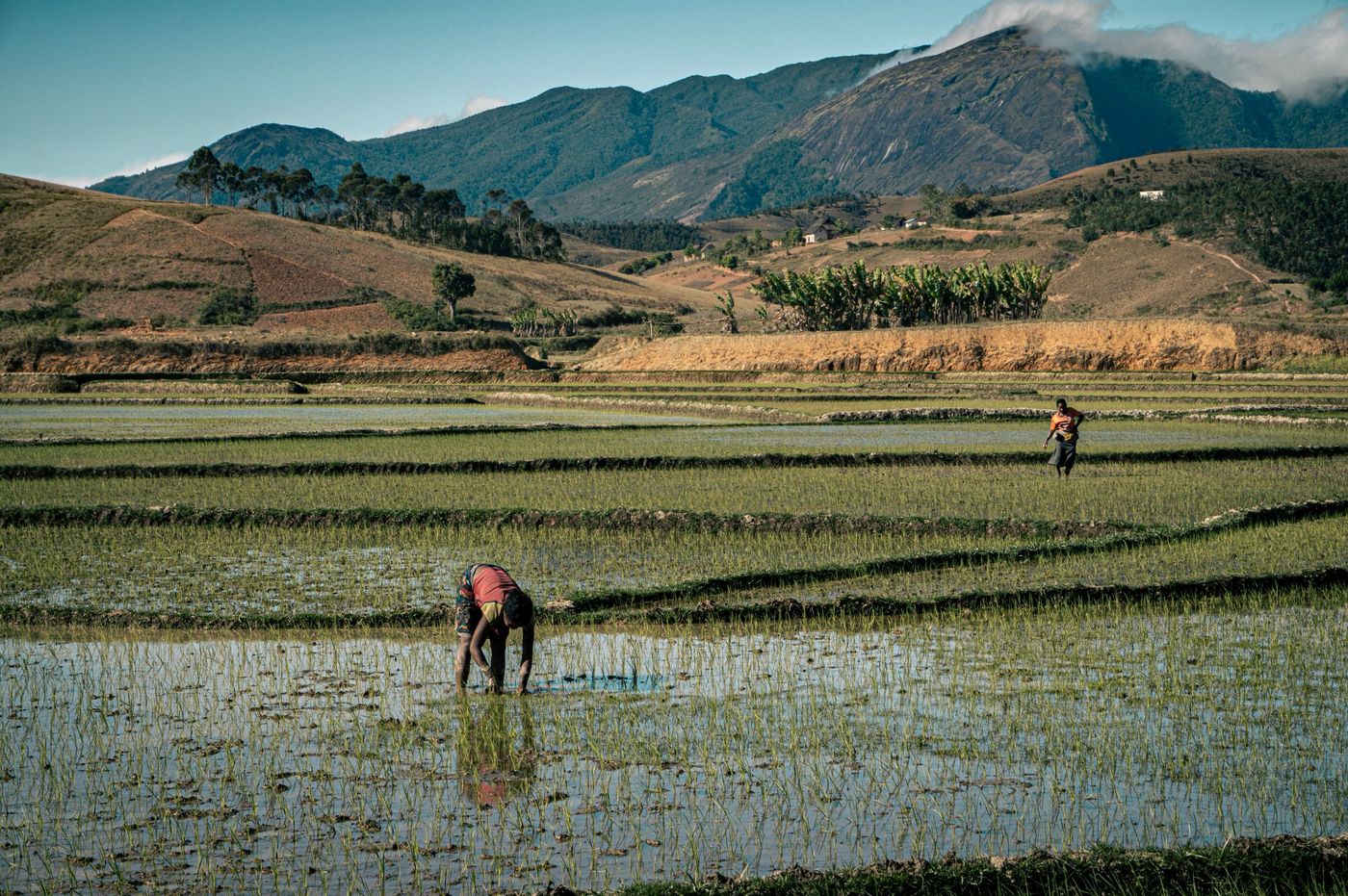
Few countries pack this many worlds into one. Madagascar runs from rainforest to spiny desert in a single trip. You cross highland rice terraces, granite peaks and dry canyons. The scenery rarely holds still for long.
The limestone tsingy steal the show for many. These are razor-sharp stone forests you cross on rope bridges. Elsewhere, red-earth roads wind past villages and zebu carts. Each region can feel like a different country.
The road itself becomes part of the reward. Long drives roll past rice paddies and ox carts, market towns and open hills. You watch the country change through the window. The journey earns the view at the end.
Whales gather off Île Sainte-Marie
Each winter, humpback whales fill the channel off our island. They swim up from Antarctica to breed and calve. From July to September, you watch them breach and slap the surface from small boats. It ranks among the Indian Ocean’s great wildlife shows.
This is exactly where Kokoa Serena sits, on Île Sainte-Marie. Whale season aside, the island stays quiet and unhurried all year. Locals know it as Nosy Boraha, long and narrow off the east coast. Few places pair rare wildlife with this much calm.
Whales are not the only life in these waters. Dolphins, turtles and sea birds share the same warm channel offshore. On a good morning, spouts rise in every direction. The sea feels genuinely alive out here.
EXPERT TIP
If whale-watching is the draw, take a morning boat for the calmest water and clearest sightings. The channel stays busy through the austral winter.
Empty beaches and a slower pace of life
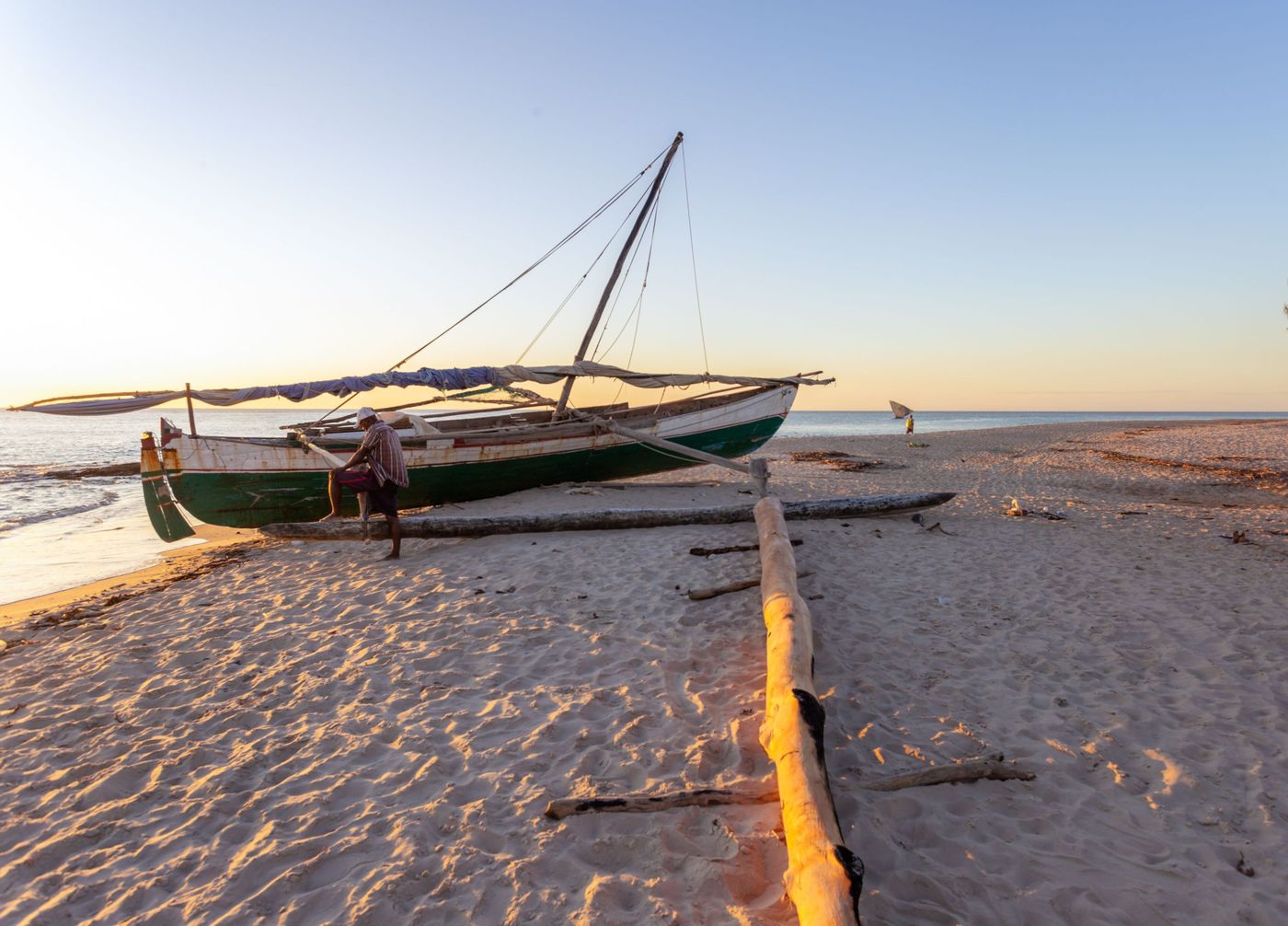
You still find beaches here without a single footprint. The east coast swaps crowds for palm shade and clear reef water. Île aux Nattes, a short pirogue away, feels barely touched. This is coastline set to the rhythm of the tide.
The water rewards you as much as the sand. Warm lagoons shelter coral, turtles and reef fish close to shore. You snorkel straight off the beach on calm days. Divers head further out for quieter sites.
Evenings on the coast slow to a whisper. Skies clear to a wash of stars, far from any city glow. Fishermen haul in pirogues as the light fades. Nothing here pushes you toward the next thing.
Slow travel is not a compromise here; it is the point. You spend days, not hours, in one place. Fewer destinations, deeper memories — that is the island rhythm. Depth beats distance every time in Madagascar.
A culture that welcomes travelers
Malagasy warmth catches almost every visitor off guard. People greet you first, with warmth that feels genuine, never staged. Markets, music and shared meals pull you in fast. This is culture you join, not simply observe.
The food tells its own story of the island. Rice anchors almost every Malagasy meal, alongside zebu, seafood and fragrant spice. Roadside stalls and family tables beat any resort buffet. Sharing a plate opens conversations fast. Our guide to food in Madagascar lists the dishes worth trying.
Local life follows its own customs, called fady. These are taboos that vary by village and by region. A guide helps you read them with ease. Respect them, and doors open everywhere you go. Fady, famadihana and everyday etiquette are explained in our Madagascar culture guide.
Who should travel to Madagascar?
Travelers who value the journey as much as the destination. Madagascar suits those with patience and an open mind far more than anyone else. It rewards flexibility, curiosity and a taste for the unfamiliar. This is a trip you lean into, not one you coast through.
It is not for everyone, and that is fair to say. Roads are rough, and distances that look short on the map eat whole days. Power can flicker, and lodges outside the luxury spots stay simple. If you need predictable comfort, this trip may frustrate you.
First-timers still do fine with a little planning. You do not need to be a hardened backpacker here. What you need is patience and a sense of humour. The island handles the rest in its own time.
Handled with the right mindset, those rough edges become the reward. Fewer visitors, wilder places — and travel that still feels like discovery. A good base and a private driver smooth the hardest parts. That is the trade at the heart of Madagascar.
GOOD TO KNOW
A few madagascar travel tips soften the rough edges. Travel in the dry season, book domestic flights early, and carry cash in ariary. Base yourself in one region, and let a driver handle the roads.
Madagascar travel FAQ
Is Madagascar worth travelling to?
For the right traveler, the answer is an easy yes. You accept rough roads and simple lodges, and rewards that outweigh them. Patient visitors rarely regret the trip.
Is Madagascar safe for tourists?
Broadly yes. Cities call for the usual street-smarts, while the coast and islands stay relaxed. Keep valuables low-key and lean on registered guides. We cover each region in our guide to whether Madagascar is safe.
What is the best reason to visit?
The wildlife tops almost every list, from lemurs to whales. Endemic species and empty beaches set Madagascar apart. Few destinations still feel this untouched.
When should you go?
For timing, the dry months of May to October bring the clearest conditions. Skies stay open and the roads stay passable.
KEY TAKEAWAYS
- Come for wildlife found nowhere else, led by the lemurs.
- Time it with the July–September whales off Île Sainte-Marie.
- Expect empty beaches, warm people and a slower rhythm.
- Accept rough roads and simple logistics as part of the deal.
- Madagascar rewards the patient, not the comfort-seeker.