
IN BRIEF
- Best window: April to November, with May to October at its heart.
- Avoid: January to March, peak cyclone season on the east coast.
- Humpback whales: mid-June to late September off Île Sainte-Marie.
- Best all-round months: September and October.
- Cheapest US flights: March, about $1,387 round-trip on average.
Month planner
Pick your month, see every region
September: our verdict by region
- East coast & Île Sainte-MarieIdealRain: 3.1 in (80 mm) in Sainte-MarieLast whale month, calves in the channel; one of the driest months.
- Highlands & AntananarivoIdealRain: 0.4 in (10 mm) in AntananarivoOne of the best months: dry, highs near 75°F (24°C).
- North & Nosy BeIdealRain: 1.4 in (35 mm) in Nosy BeDry; whale sharks start showing up, per the Madagascar Whale Shark Project.
- West: Morondava & the TsingyIdealRain: 0.0 in (0 mm) in MorondavaDry; best balance of track access and wildlife at the Tsingy.
- Southwest: Toliara & IfatyIdealRain: 0.2 in (5 mm) in ToliaraDry; cold snaps near 50°F (10°C) still possible.
Across the island
Wildlife wakes up again, bird watching peaks and ring-tailed lemurs give birth; last month of whale season.
Rainfall: long-term monthly normals published by Climates to Travel, converted to inches. Verdicts are ours, built from these normals and the sources cited in this guide. Before you go, check Météo-France La Réunion and Météo Madagascar.
When to visit Madagascar comes down to one rule: travel between April and November. May to October, the dry season, is the sweet spot, while January through March brings peak cyclone season, roughest on the east coast.
We live year-round on Île Sainte-Marie, where whales and rain both set the calendar on the east coast.
The short answer: April to November
Plan your trip between April and November. Within that window, May to October is driest across most of the island.
Climates to Travel agrees, with the east coast as the one big exception, since it rains there all year.
So what’s the best time to visit Madagascar for your own trip? Match the month to your goal, from a first trip to a Christmas break:
- First trip: May to October.
- Humpback whales: mid-June to late September.
- Quiet beaches and lower prices: May–June or September–November.
- Lush green landscapes: April, right after the rains.
- Christmas break: the southwest, around Ifaty and Toliara.
June to August works too, but Climates to Travel warns of heavy rain on the east coast and chilly spells inland and in the south.
Madagascar’s two seasons explained
Madagascar has two seasons: dry from May to October, wet from November to April. Because the island lies in the Southern Hemisphere, its seasons run opposite to those in the US. The dry months bring cooler air, clear skies and passable dirt roads.
From May to September, trade winds dry out almost the whole island, but they soak the east coast straight off the ocean.
The wet season brings heat, lush greenery and storms; Météo Madagascar expects the 2026–2027 season’s core from December to February. Rain tends to fall as thunderstorms later in the day, so mornings stay sunny even in the wettest months.
Madagascar weather month by month
Rainfall swings wildly from one region to the next. Below, four benchmark towns tell the story, from long-term normals published by Climates to Travel.
| Month | Antananarivo: high, rain | Sainte-Marie: rain | Nosy Be: rain | Toliara: rain | Our verdict |
|---|---|---|---|---|---|
| January | 79°F, 12.2 in | 15.4 in | 15.6 in | 4.9 in | Avoid, especially the east coast |
| February | 79°F, 9.3 in | 18.1 in | 13.2 in | 3.5 in | Avoid, especially the east coast |
| March | 79°F, 6.1 in | 18.5 in | 11.0 in | 1.6 in | Avoid, especially the east coast |
| April | 79°F, 1.8 in | 14.8 in | 4.1 in | 0.4 in | Good: greenest landscapes |
| May | 75°F, 0.6 in | 13.8 in | 1.4 in | 0.4 in | Excellent: few crowds |
| June | 70°F, 0.2 in | 10.8 in | 1.2 in | 0.4 in | Excellent: few crowds |
| July | 68°F, 0.2 in | 11.4 in | 0.8 in | 0.2 in | Excellent: peak season, book early |
| August | 72°F, 0.2 in | 5.1 in | 1.0 in | 0.2 in | Excellent: peak season, book early |
| September | 75°F, 0.4 in | 3.1 in | 1.4 in | 0.2 in | Excellent: best balance |
| October | 79°F, 1.6 in | 3.1 in | 1.2 in | 0.4 in | Excellent: best balance |
| November | 81°F, 4.5 in | 3.9 in | 5.3 in | 0.6 in | Good: end of the window |
| December | 81°F, 8.9 in | 9.1 in | 11.8 in | 1.4 in | Fair: watch the weather |
NOAA normals quoted on Wikipedia match these figures within about a tenth of an inch for Antananarivo and Nosy Be. Read the Sainte-Marie column closely, though: the national verdict does not hold for the east coast from April to August.
IMPORTANT
January to March is the heart of cyclone season, and violent storms mostly come in via the east coast. If your dates fall then, book flexible fares and follow Météo-France La Réunion and Météo Madagascar, the official sources France’s foreign ministry points to.
Which region, which season?
Each region keeps its own calendar, so pick your region first, then the month.
East coast and Île Sainte-Marie
Our island has no true dry season, since trade winds bring rain even in the austral winter. Sainte-Marie gets about 127 inches of rain a year, from 3.1 inches in October to 18.5 inches in March.
Whale season comes with showers: June brings 10.8 inches over 21 days, and humpbacks are often watched under rainy skies, notes Climates to Travel.
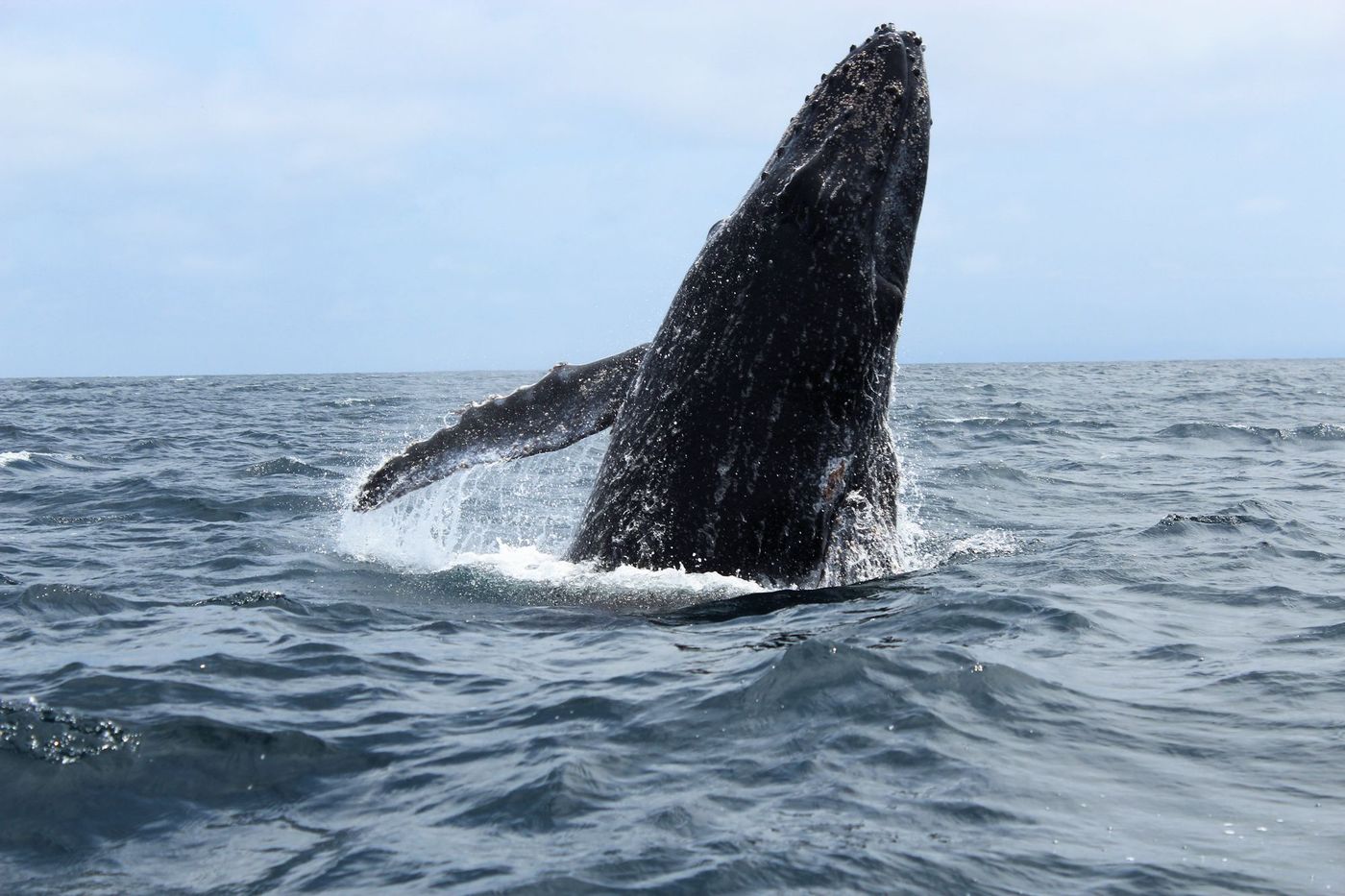
Across the east coast, September to November is the only stretch without heavy rain. That makes September, with whales still in the channel, the best-balanced month on our island.
The sea never gets cold: 76°F (24.5°C) in August, 84°F (29°C) in February, with the calmest water for snorkeling in October and November.
Highlands and Antananarivo
The capital sits at 1,300 m (4,300 ft), which keeps it mild: averages run from 71.5°F (22°C) in austral summer to 60°F (15.5°C) in July. Climates to Travel names April and September–October as the best months to go.
Expect dry weather from April to October, with cool nights in July and August and daytime highs of 59 to 77°F (15 to 25°C).
Above 2,000 m (6,500 ft), as in Andringitra, winter nights can drop below freezing, especially in the south.
North and Nosy Be
Nosy Be stays hot year-round, with rain from November to April and a dry season from May to October. The sun shines very often in the dry months, adding up to almost 3,000 hours a year.
We rate April to November as the ideal window, with a superb sea in October and November. Climates to Travel is stricter, at mid-May to October, since April still gets 4.1 inches of rain and November 5.3.
Diving is at its best from April to December, and the sea warms from 78°F (25.8°C) in July to 84°F (28.8°C) in November.
South and west coast
The southwest is the driest region, open almost year-round, though heat becomes the main issue from November to February. Toliara gets just 14 inches of rain a year. Its days reach 91°F (33°C) from December to March, while nights drop to 59–61°F (15–16°C) from June to August.
Farther north, Morondava turns hot and rainy from December to March. The nearby Tsingy de Bemaraha park usually closes in the wet season, as tracks turn to mud and ferries stop running. Madagascartravel.com recommends June to November, with September and October offering the best balance of access and wildlife. Rainbow Tours sets an earlier cutoff, mid-October, after the 2022 rains came early.
Wildlife: when lemurs and chameleons are most active
Lemurs can be seen all year, but October and November bring baby lemurs, per Natural World Safaris.
In the wild, ring-tailed lemurs give birth in August and September, says the Duke Lemur Center. After about three weeks, the infants ride on their mothers’ backs, so October is full of them.
Reptiles follow the thermometer. In cool August, some chameleons, tenrecs and dwarf lemurs hibernate, until the September warmth wakes them up again. Chameleons can still be spotted year-round.
Natural High Safaris rates April highly too: lemurs and reptiles are easy to spot then. Birders should aim for late August to September: 52% of Madagascar’s breeding birds are endemic (Oryx, 2022), and bird watching peaks in September.
When to travel to Madagascar for whales and diving
Come mid-June to late September for humpbacks, and September or October to December for whale sharks. Each season, 2,000 to 3,000 humpback whales gather off Île Sainte-Marie to breed and calve.
The peak runs from late July to mid-August, but the first two weeks of September pair newborn calves, thinner crowds and a calmer sea.
A whale tour lasts 3 to 4 hours and costs about €40 per person. Pick an operator certified by Cétamada, a Malagasy marine-mammal conservation group based on the island. Our guide to humpback whales in Sainte-Marie covers tours and etiquette.
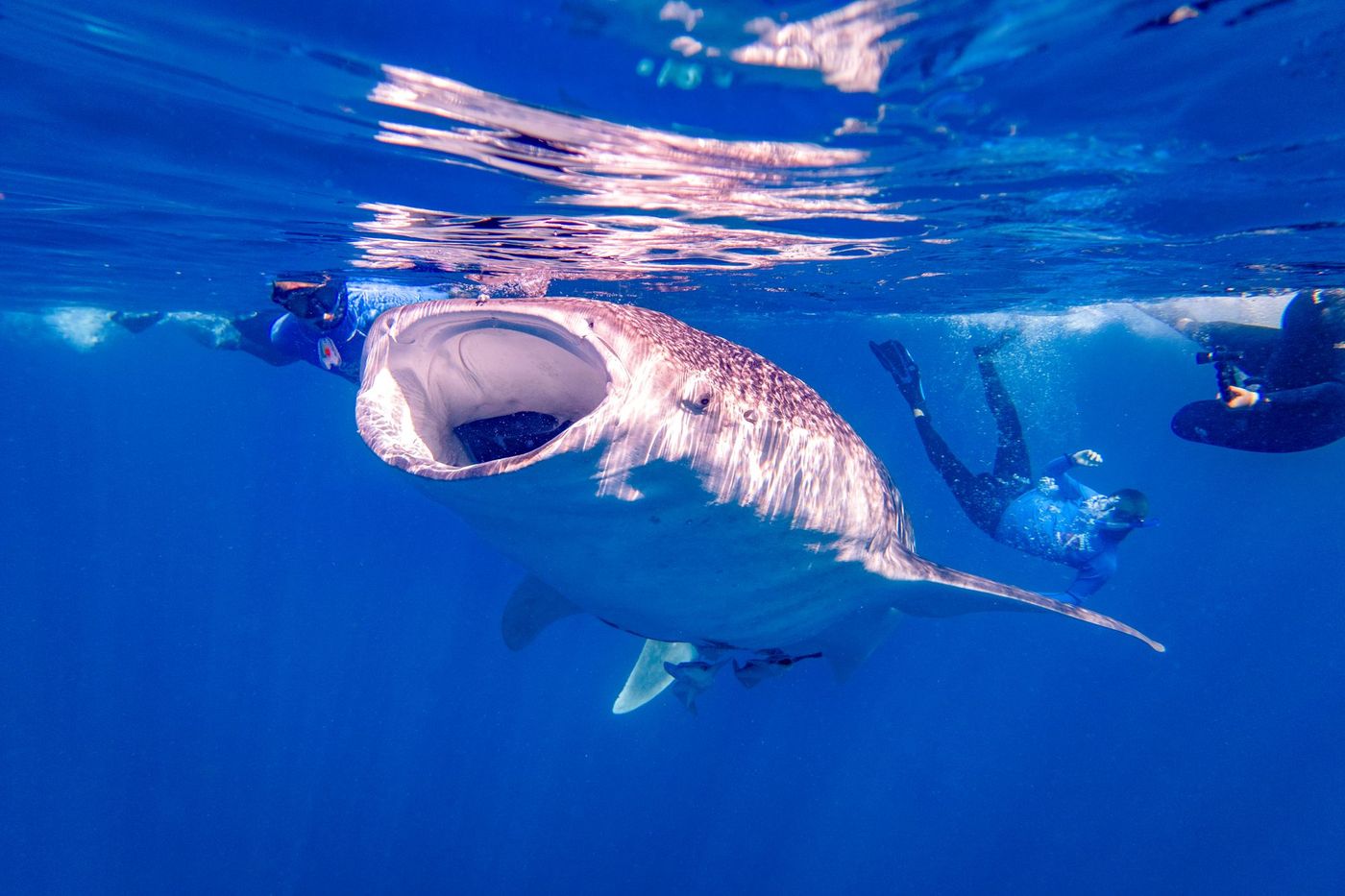
Stella Diamant of the Madagascar Whale Shark Project reports whale sharks visiting Nosy Be regularly from September to December, with 85 identified in 2016. Our own diving calendar says October to December, so October and November fit both. On the east coast, diving is best from June to November, whales included.
EXPERT TIP
For July or August, book long-haul flights four to six months ahead, then lodging right after. Natural High Safaris advises at least six months for July, the busiest month. For other months, two to three months ahead is enough; on Sainte-Marie, whale tours are the only outing to book early.
Cheaper months and quieter trails
March is the cheapest month to fly from the US, and June and July are the priciest. Kayak puts the average round-trip to Antananarivo at $1,387 in March, against $2,166 in June and $2,347 in July.
Over twelve months, the average US fare comes to $1,845. On the ground, May–June and September–November bring the best deals. June is a split case, though: low season in Madagascar, per Great Madagascar Tours, but high season for US airfares.
By September, the July–August crowds have thinned out, and May–June stays quiet too.
GOOD TO KNOW
- Peak prices: July–August and the year-end holidays.
- Pentecost weekend (May 24–25 in 2026): public holiday, plus the Donia festival in Nosy Be.
- June 26: National Day, the only public holiday in June.
- July: the Whale Festival on Île Sainte-Marie, July 11–19 in 2026.
- October: the Madajazzcar festival, in Antananarivo and four other cities.
Cyclone season: the months to avoid
Avoid January to March, the peak of cyclone season, above all on the east coast and in the north. The official 2025–2026 season ran from November 15 to April 30, per Wikipedia.
Cyclones can form from November to mid-May but are most likely from late December to mid-April, per Climates to Travel. France’s foreign ministry warns that violent cyclones can hit from January to April, mostly via the east coast.
The 2025–2026 season ran above normal, with 11 storms, 6 tropical cyclones and 4 intense cyclones, against Météo-France normals of 10, 5 and 3. Two of them, Fytia and Gezani, hit Madagascar within ten days. In Toamasina alone, Gezani left 62 dead, 13 missing, 804 injured and nearly 432,000 people affected, per Météo-France.
Climates to Travel lists past intense cyclones such as Gafilo (March 2004), Giovanna (February 2012), Enawo (March 2017) and Batsirai (February 2022).
For 2026–2027, Météo-France expects 6 to 10 systems in the southwest Indian Ocean, including 3 to 5 tropical cyclones. That is at or below the usual count of 10 and 5.
If you do travel then, warnings come several days ahead, so a trip can be rerouted. Storm and road precautions are part of our Madagascar safety advice.
Quick answers on timing
September suits almost every trip, and two weeks is the right length for a first visit.
Which month is best for a first trip?
September or October. Climates to Travel calls them the best months to explore the whole island, avoiding both the heat and the rain of the austral summer.
More broadly, any month from May to October suits a first, multi-region trip.
What is the weather like in September?
Dry and mild almost everywhere. Antananarivo averages 64°F (18°C), with highs near 75°F and barely 0.4 inch of rain, on a single day.
On Sainte-Marie, the sea sits near 76°F (24.4°C) in September, with highs around 80°F and 3.1 inches of rain over 12 days. It is also the last month of whale season.
Is the dry season more expensive?
Yes, at its peak: July and August cost the most on the ground, while US fares peak in June and July.
May–June and September–November bring the best value, while March still offers the lowest fares, cyclone risk included.
How long should I stay in Madagascar?
Two weeks pairs one inland region with an island. Three weeks feels relaxed, and ten days suit a single destination such as Sainte-Marie. For the nights each stop needs, check the sites to see in Madagascar.
To plan the route and the budget for that trip length, start with the Madagascar travel guide.
KEY TAKEAWAYS
- Travel from April to November, ideally May to October.
- Avoid January to March, peak cyclone months.
- Whales off Île Sainte-Marie: mid-June to late September, best in early September.
- US airfares bottom out in March and peak in June and July.
- Book July–August trips four to six months ahead.