
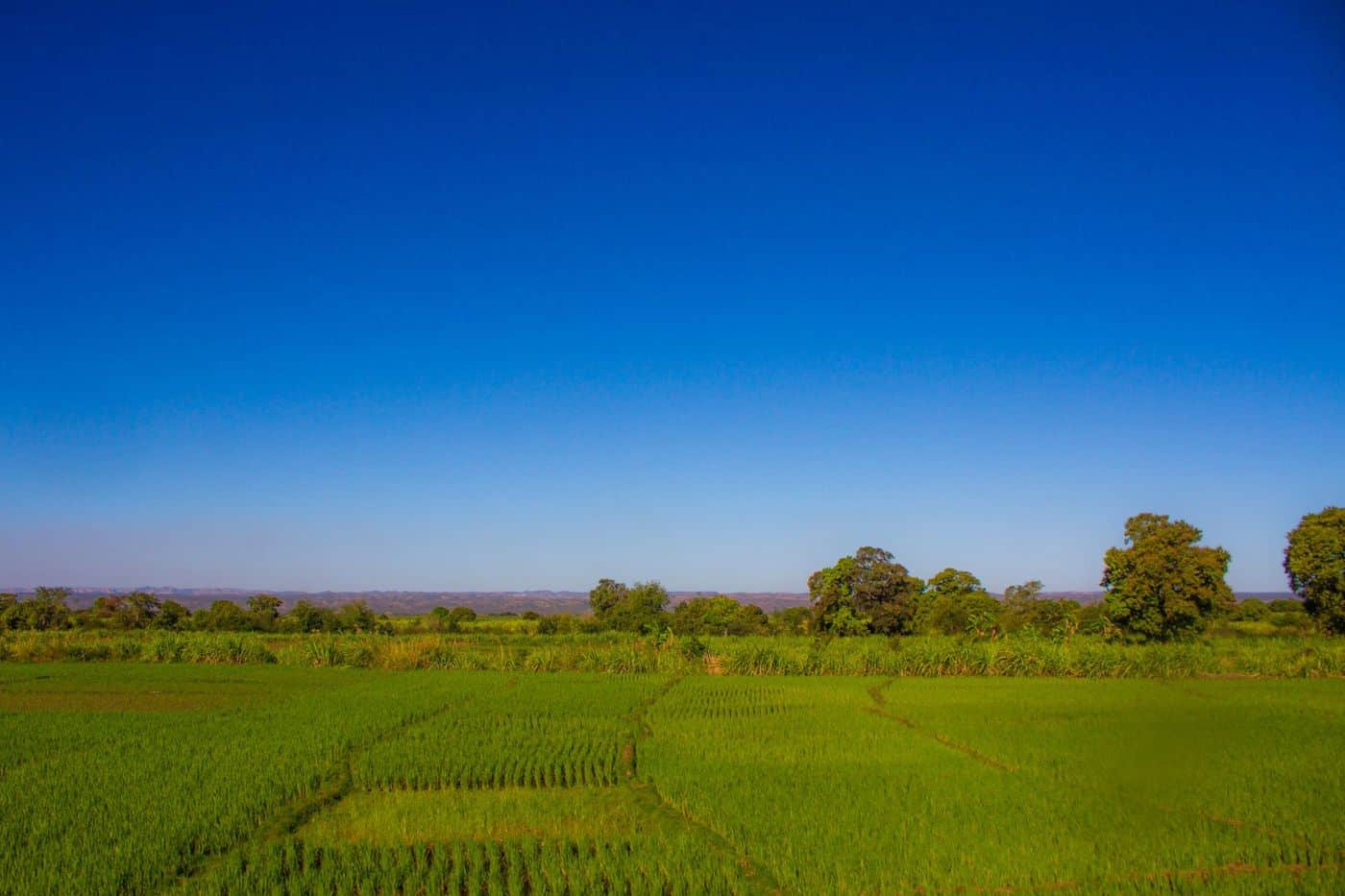
Food in Madagascar carries four influences at once: African, Southeast Asian, Indian, and French. Meals move slowly here, and rice anchors every plate you’ll be served. On Sainte-Marie, where we live, the same dishes win guests over every season.
Two ideas unlock the whole cuisine. First, the plate splits into a mound of rice and a smaller, intensely flavored side. Second, zebu, the island’s humped cattle, shows up in the richest, most celebrated dishes.
Timing shapes your plate, too. Coastal towns like ours lean on seafood and coconut milk, while the highlands favor pork and greens. Eat with the region, and the food makes instant sense.
IN BRIEF
- Malagasy cooking pairs rice with a “laoka,” the stew or side that gives each meal its character.
- Begin with romazava, ravitoto, and zebu, then chase street snacks like mofo gasy, koba, and sambos.
- On Sainte-Marie, a private chef is your shortcut to authentic home cooking.
The twelve dishes in this guide, at a glance:
| Dish | What it is | Where or when |
|---|---|---|
| Romazava | Beef and leafy greens stew, the national dish | With rice, sakay on the side |
| Ravitoto | Pounded cassava leaves, slow-cooked with pork | Across the island |
| Voanjobory | Bambara groundnut, simmered until tender | Often with pork or zebu |
| Henakisoa | Pork with cassava leaves, ginger, or greens | Highlands, Sunday lunches |
| Akoho sy voanio | Chicken simmered in coconut milk | On the coast and Sainte-Marie |
| Vary sosoa | Soupy rice porridge | Breakfast |
| Mofo gasy | Rice griddle cake, slightly sweet | At dawn, with coffee |
| Koba | Rice flour, peanuts, and banana in banana leaves | Sliced, as a street snack |
| Sambos | Crisp fried triangles, meat or vegetables | A beach snack |
| Lasary | Fresh relish of vegetables or green mango | Beside a rice plate |
| Tsaramaso | White beans stewed until creamy | A vegetarian main, without meat |
| Bonbon coco | Coconut caramel | After a meal, with coffee |
Madagascar’s national dish: romazava
Romazava is Madagascar’s national dish, a fragrant stew of beef and leafy greens over rice.
The greens, called brèdes, range from mild to boldly peppery, depending on the market. One classic version uses brède mafana, a green that brings a light tingle to your lips as you eat. Highland families make it for guests, and every cook guards a slightly different recipe.
Cooks build the broth simply, letting beef and greens speak without heavy spicing. You’ll often see it beside a small dish of fresh chili paste called sakay. Add it drop by drop, since a little goes far on the palate.
DEFINITION
Laoka is the Malagasy word for whatever accompanies the rice — a stew, grilled meat, beans, or greens. Romazava is the most famous laoka of all.
The most popular Malagasy dishes
Beyond romazava, three dishes appear on tables across the island: ravitoto, voanjobory, and henakisoa.
- Ravitoto — pounded cassava leaves slow-cooked to a deep green, most often with pork. The leaves turn silky, and the fat from the pork rounds out their earthy edge.
- Voanjobory — the Bambara groundnut, a small round legume simmered until tender, frequently with pork or zebu. It eats like a cross between a bean and a chestnut.
- Henakisoa — pork, prized across the highlands and cooked with cassava leaves, ginger, or greens. Sunday lunches often revolve around it.
On the coast, and here on Sainte-Marie, akoho sy voanio wins hearts fast. It’s chicken simmered in coconut milk, a dish shaped by our abundant coconut palms along the shore. The sauce turns mellow and faintly sweet, a welcome reward after a swim.
What ties these dishes together is patience. Cooks pound, simmer, and reduce until flavors turn deep and round on the tongue. Nothing here tastes rushed, which is exactly the point.
Rice (vary), the heart of every meal
Vary — rice — is eaten at nearly every meal, and often three times a day.
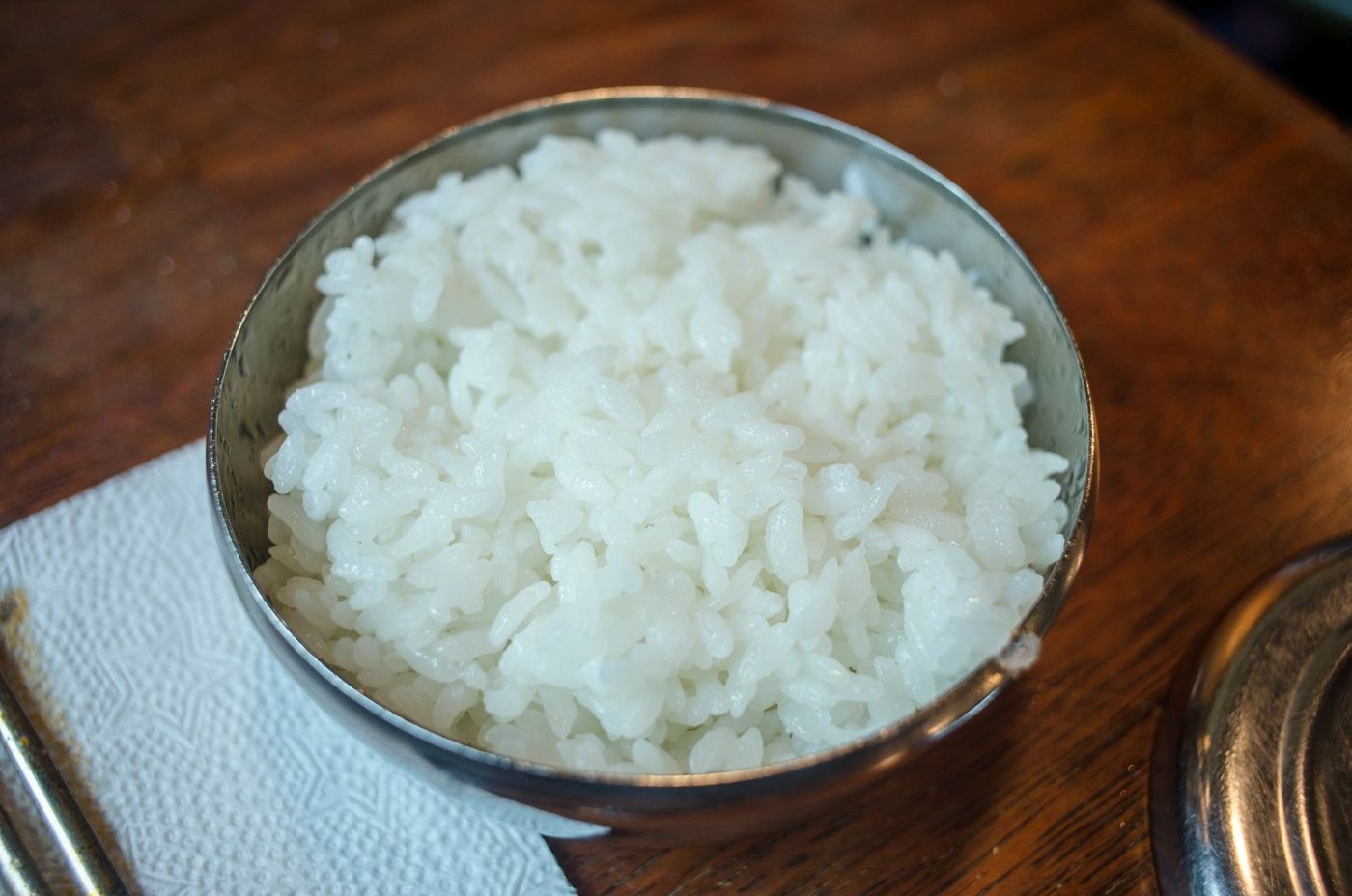
Malagasy people eat some of the most rice per person on earth, and it shows. To many hosts, a plate without rice feels like a table half-set before guests arrive. Breakfast, lunch, and dinner all lean on it in different forms.
At breakfast, many families eat vary sosoa, a soupy rice porridge that soothes. Alongside comes ranon’apango, the golden water made from toasted rice crust left in the pot. Together they make a gentle warming start to the day.
Street food and snacks
Street food in Madagascar is quick, cheap, and best eaten warm from the stall.
- Mofo gasy — a light rice cake cooked in a dimpled mould, slightly sweet and spongy. It is a griddle cake, not a doughnut, and never deep-fried. Vendors sell it hot at dawn, often with coffee.
- Koba — a dense log of rice flour, ground peanuts, and banana, wrapped in banana leaves. It slow-cooks for hours, then gets sliced into rounds like a sweet terrine.
- Sambos — Madagascar’s take on the samosa, crisp triangles filled with meat or vegetables. These are fried and travel well, so they make a fine beach snack.
Snacking is how you meet a town’s rhythm, and it costs almost nothing. Follow the smell of frying oil and the small morning crowds. The best stalls sell out early, so it pays to arrive early and hungry most mornings.
EXPERT TIP
Buy mofo gasy at first light, when the batter is freshest and the stalls busiest. A warm one, eaten on the walk back, beats any hotel pastry.
Vegetarian options
Vegetarians eat well in Madagascar, since rice, beans, and greens form the daily base for many families.
- Lasary — a fresh relish or salad, often shredded vegetables or green mango dressed with vinegar. It adds crunch and brightness to a rice plate.
- Tsaramaso — white beans stewed until creamy, sometimes with tomato and onion. Ask for it without meat, and it becomes a hearty vegetarian main.
- Brèdes — the leafy greens at the heart of romazava, also cooked on their own. Sautéed with garlic, they make a simple, satisfying side.
Tell a cook you’re vegetarian and they’ll usually adapt without fuss. A private chef can build an entirely meat-free menu around coconut, greens, and legumes. That flexibility is one reason a private chef experience in Sainte-Marie suits mixed groups so well.
Dish finder
Which Malagasy dish suits you?
Start with romazava
- Romazava: beef and leafy greens over rice, the national dish
- Ravitoto: pounded cassava leaves slow-cooked with pork
- Henakisoa: pork cooked with cassava leaves, ginger, or greens
Build your plate around beans and greens
- Tsaramaso: white beans stewed until creamy — ask for it without meat
- Brèdes: leafy greens sautéed with garlic
- Lasary: a fresh relish of shredded vegetables or green mango
Ask for sakay on the side
- Sakay: fresh chili paste, added drop by drop
- Romazava with brède mafana, the green that tingles on your lips
The heat arrives in a small dish beside the plate, so you set the level yourself.
Save room for coconut and rice
- Bonbon coco: a coconut caramel sold by the piece
- Koba: rice flour, peanuts, and banana, sliced like a sweet terrine
- Mofo gasy: a slightly sweet rice griddle cake, sold hot at dawn
Head for the coast
- Akoho sy voanio: chicken simmered in coconut milk
- Tuna, crab, and lobster, landed daily on Sainte-Marie
- Seafood cooked in coconut milk by a private chef
What people drink
Malagasy tables run on three everyday drinks: ranon’apango, THB beer, and local rum.
- Ranon’apango — also called rano vola, the burnt-rice water served free with most meals. It tastes faintly of toast and settles the stomach.
- THB — Three Horses Beer, the national lager, crisp and easy in the heat. You’ll see the green bottle in every bar and grocery.
- Rum — Madagascar grows sugarcane, so rum is everywhere, often infused as “rhum arrangé.” Vanilla, lychee, and ginger are common flavors.
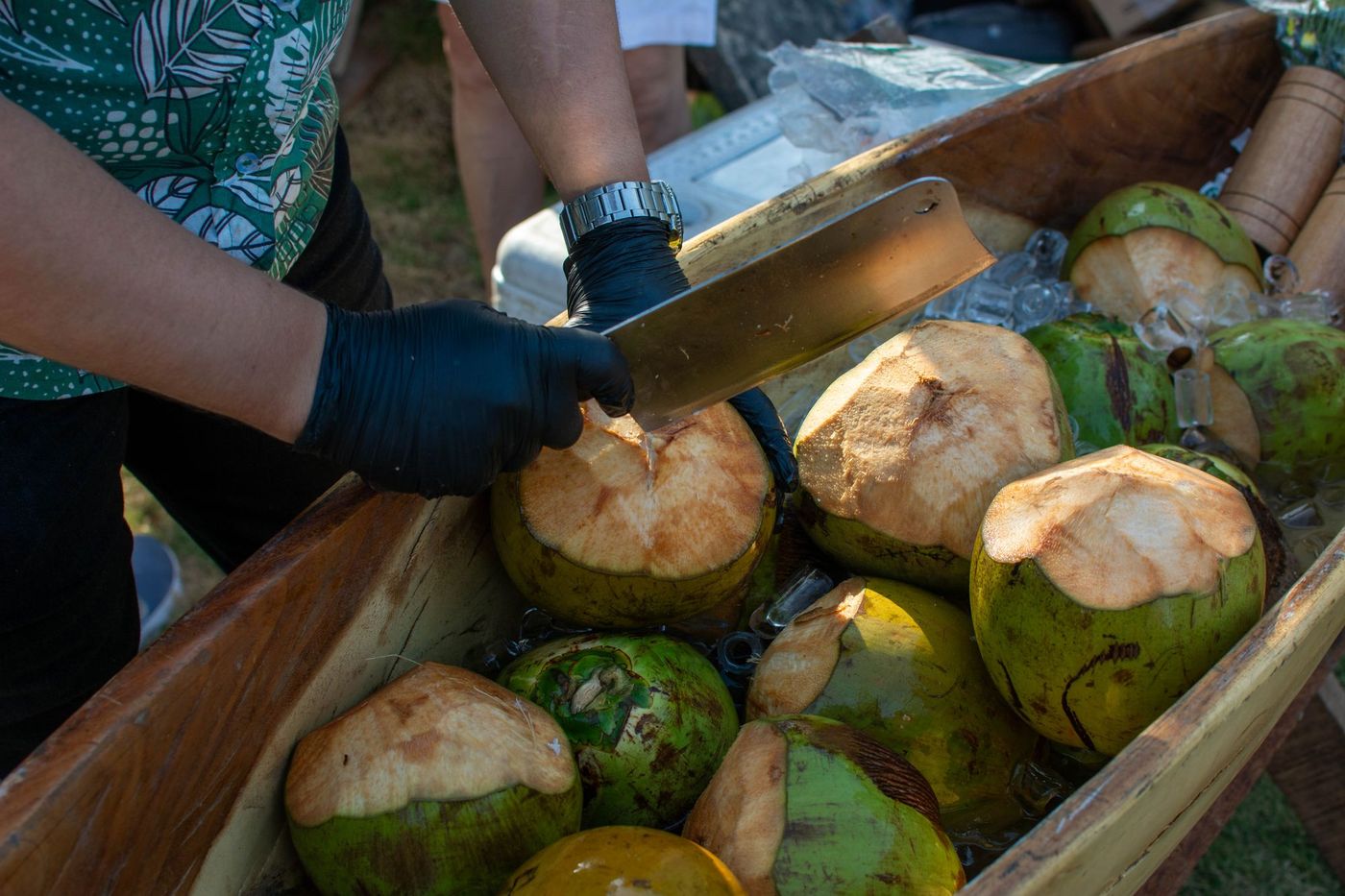
Non-drinkers have easy options, too. Fresh coconut water, sipped straight from the shell, cools you fast on a hot afternoon. Tropical juices — mango, passion fruit, tamarind — fill glasses at most beachside markets and shacks here.
EXAMPLE
A typical dinner might pour ranon’apango with the meal, a cold THB before it, and a small rhum arrangé to finish. Nobody rushes any of it.
Desserts & sweets
Malagasy desserts stay simple, leaning on coconut, vanilla, and ripe fruit from the island.
Coconut runs through the sweets, and bonbon coco, a coconut caramel, leads the pack. Street vendors stack them in glass jars, sold by the piece. They pair beautifully with strong local coffee after a meal.
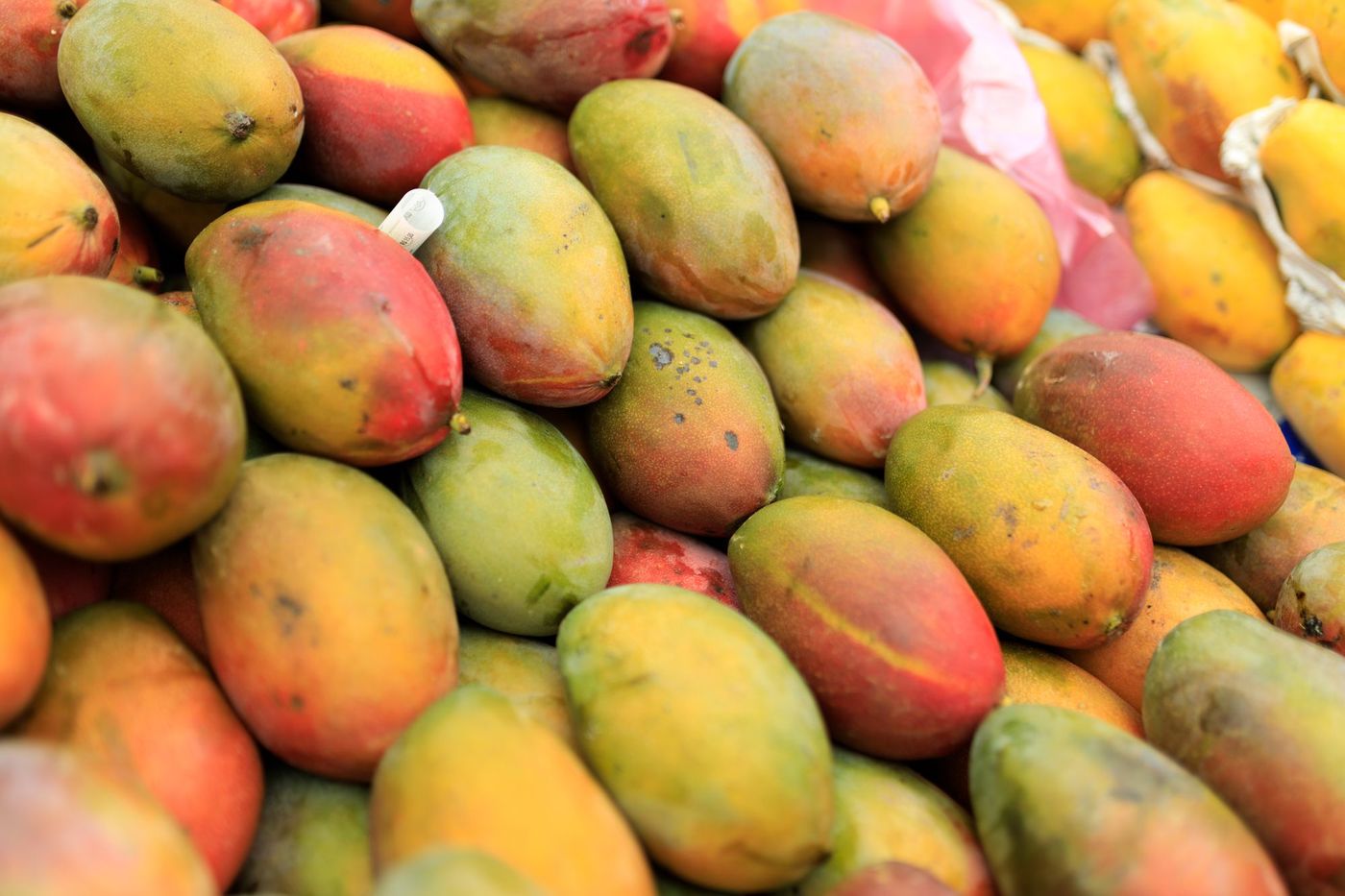
Fruit does much of the dessert work, and the range astonishes first-timers. Expect lychee, mango, pineapple, and custard apple, as the season shapes the basket you find. Madagascar also grows some of the world’s finest vanilla, which perfumes cakes and creams.
Portions stay modest, which fits the slow pace of a Malagasy meal. A few coconut squares or a wedge of fruit close things gently. You leave satisfied rather than stuffed, ready for the evening.
Dining etiquette: do’s and don’ts
Malagasy dining is relaxed, but a few small courtesies go a long way.
- Wait to be served — hosts often serve rice first, then the laoka on top. Let them set the plate before you start.
- Accept what’s offered — refusing food outright can read as cold. Take a small portion, even if you’re full.
- Don’t waste rice — rice carries deep cultural weight here, so take only what you will eat.
These habits flow from fihavanana, the Malagasy value of kinship and mutual care. Sharing food is a real act of connection, not just a meal. Reading more about Madagascar culture will deepen every dinner you share here.
Where to taste authentic food in Madagascar
The most authentic food in Madagascar comes from home kitchens, and on Sainte-Marie you can bring that kitchen to you.
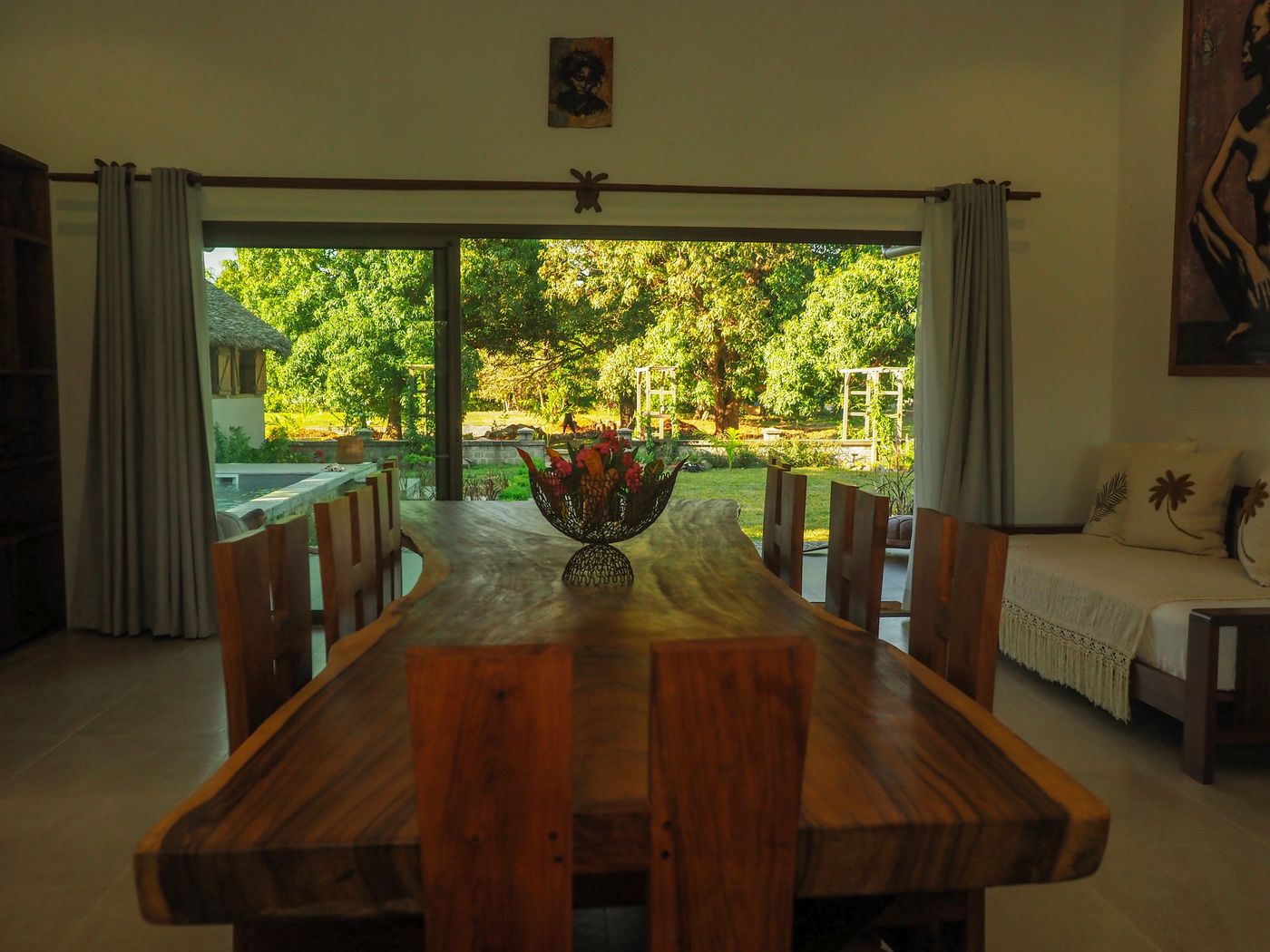
Sainte-Marie, or Nosy Boraha, sits off the east coast with its own coastal larder of seafood. Fishermen land tuna, crab, and lobster daily, and coconut palms line the shore. That means seafood cooked in coconut milk while it is still glossy-fresh.
Two routes lead to the real thing on the island. Small family-run “hotely” serve honest rice plates for just a handful of coins most days. And a private chef at your villa cooks market-fresh laoka to your taste.
Our private cook shops the Ambodifototra market each morning, and no fixed menu exists at the villa. Malagasy dishes and the day’s seafood lead. Pair a day of exploring from our list of things to do in Madagascar with a slow dinner at home. It’s the clearest window into how the island actually eats.
KEY TAKEAWAYS
- Rice plus a laoka is the core of every Malagasy meal.
- Romazava (national dish), ravitoto, and voanjobory lead the must-try list, with akoho sy voanio a coastal star.
- Mofo gasy is a rice griddle cake, never a doughnut.
- On Sainte-Marie, a private chef offers the most authentic table of all.